
Table of Contents
The Kerala Teacher Eligibility Test KTET Category 3 exam is becoming more competitive as applications for Kerala high school teacher posts increase every year. Candidates should understand the latest KTET Category 3 syllabus 2026, exam pattern, pedagogy sections, subject-wise topics and marks distribution before starting preparation. The updated syllabus includes Adolescent Psychology, Teaching Aptitude, Language 1 and Subject-Specific Content & Pedagogy. Check the complete KTET Category 3 syllabus and exam pattern below.
KTET Category 3 Exam Details
The Kerala Teacher Eligibility Test (KTET 3) is conducted by Kerala Pareeksha Bhavan for candidates aspiring to become high school teachers in Kerala government and aided schools. Qualifying the KTET Category 3 exam is mandatory for candidates seeking teaching jobs for Classes 9 and 10 in schools across Kerala.
According to the latest KTET Category 3 eligibility criteria, candidates must hold a Bachelor’s degree along with a B.Ed. degree in the relevant subject or any other approved equivalent teaching qualification. As per the updated KTET category 3 exam pattern, the examination is conducted in offline OMR-based mode and consists of objective-type questions (MCQs).
Crack KTET Category 3 with Structured Online Coaching by CC
Join with us
KTET Category 2 Syllabus
The Kerala Teacher Eligibility Test KTET category 3 syllabus PDF helps candidates understand the complete exam syllabus, important topics, pedagogy sections, marks distribution and latest exam pattern in an easy way. It gives aspirants a clear idea about the subjects, question pattern and preparation areas required for the Kerala Teacher Eligibility Test. The KTET 3 syllabus 2026 covers topics including, Adolescent Psychology, Theories of Learning and Teaching Aptitude, Language I and Subject-Specific Content & Pedagogy. Referring to the KTET category 3 syllabus, in below, helps candidates prepare systematically and improve their performance in the Kerala high school teacher eligibility exam.
1. ADOLESCENT PSYCHOLOGY, THEORIES OF LEARNING & TEACHING APTITUDE 40 Questions
A. Adolescent Psychology (10 marks)
- Adolescence – Nature and Characteristics- Methods of studying Adolescents - Principles of development – Role of Heredity and Environment on development – Developmental needs – Physiological, Intellectual, Language, Emotional and Social. Developmental tasks.
- Problems of adolescence – Identity crisis, Underachievement, Peer Pressure, Substance Abuse, Delinquency, Health Problems, Adjustment Mechanisms - Challenges and Remedies.
- Developmental theories – Piaget, Bruner, Freud, Erikson, Kohlberg – Special reference to adolescence - Classroom implications.
B. Theories of Learning (15 marks)
- Nature and concept of Learning - Maturation and learning - characteristics of learning - Transfer of learning - Classroom implications.
- Factors affecting learning - Motivation, Intelligence, Interest, Attention, Attitude, Anxiety, Level of aspiration, Memory, Learning Context, Content of Learning, Learner Characteristics- Teacher’s role.
- Creativity - concept, nature, process, measurement, characteristics of creative children, relationship between creativity and achievement - Fostering creativity.
- Theories of learning : Principles of learning, contributions of Thorndike, Pavlov, Skinner, Kurt Lewin, Piaget, Bruner, Vygotsky, Ausubel, Gagne, Gestalt Psychology, Constructivist approach in learning - Classroom implications.
- Children with special needs : Gifted, Backward, Mentally challenged, Physically Challenged, Learning disabled - Problems and Challenges - Inclusive Education- Educational provisions.
C. Teaching Aptitude (15 marks)
- Teaching - Nature & Objectives - Steps in Teaching, Factors affecting Teaching. Teacher characteristics, Identification of learner needs, creating appropriate learning situations, effective teacher, progressive teacher, teaching styles.
- Teacher Roles - Motivator, Facilitator, Democratic leader, Guide, Counsellor, Mentor, Social Engineer Classroom Implications.
- Methods and Techniques of Teaching: Learner Centered Teaching Strategies, Projects, Group Discussion, Activity, Co-operative Learning, Seminars, Debates etc. Effective use of ICT, AV Aids, Improvisation, Tools and Techniques of Evaluation, Concept of CCE and Assessment
- Classroom Management, Skills in Planning and Implementation, Decision Making, Positive Feedback. ie. Personality of the Teacher - Emotional Maturity, Balanced Personality, Attitude, Values and Professional Ethics.
- Understanding teaching and learning in the context of NCF 2005, KCF 2007 and right to education act 2009
2. LANGUAGE 1 - MALAYALAM / ENGLISH / TAMIL / KANNADA
A. Malayalam - 30 Questions
1. അവധാരണം (ഗദ്യം) (അഞ്ച് ബഹു വികല്പചോദ്യങ്ങൾക്ക് 5 മാർക്ക്)
- കേന്ദ്രാശയം കണ്ടെത്തൽ
- വിശകലനം ചെയ്യൽ
- വ്യാഖ്യാനിക്കൽ
- ആശയങ്ങളുടെ പരസ്പരബന്ധം കണ്ടെത്തൽ
- സംഗ്രഹിക്കൽ
2. അവതരണം (പദ്യം) (അഞ്ച് ബഹു വികല്പചോദ്യങ്ങൾക്ക് 5 മാർക്ക്)
- വിശകലനം ചെയ്യൽ
- വ്യാഖ്യാനിക്കൽ
- ആശയങ്ങളുടെ പരസ്പരബന്ധം കണ്ടെത്തൽ
- ആസ്വാദനാംശങ്ങൾ കണ്ടെത്തൽ
3. ആശയവിനിമയം (പത്ത് ബഹുവികല്പ ചോദ്യങ്ങൾക്ക് 10 മാർക്ക്)
- വാക്യശുദ്ധി
- അർത്ഥബോധത്തോടെയുള്ള പദപ്രയോഗം
- പദബോധം
- സാന്ദർഭികമായും തെറ്റുകൂടാതെയും ഭാഷ പ്രയോഗിക്കാനുള്ള കഴിവ്
4. ഭാഷാജ്ഞാനം (പത്ത് ബഹുവികല്പ ചോദ്യങ്ങൾക്ക് 10 മാർക്ക്)
- ശൈലികൾ, പഴഞ്ചൊല്ലുകൾ, പ്രായോഗങ്ങൾ എന്നിവ അർത്ഥബോധത്തോടെ ഉചിതമായി പ്രയോഗിക്കാനുള്ള കഴിവ്.
- പ്രായോഗികവ്യാകരണം
B. ENGLISH - 30 Questions
- Comprehension - 10 Marks
- Elements of Language - 10 Marks
- Communication - 10 Marks
1. Comprehension - a) Two passages - discursive/literary/narrative/scientific, with questions on testing comprehension b) Elements of Language
1. Vocabulary - Antonym, Synonym, foreign words, confused words, one word substitution - spelling
2. Grammar - Sentence structure - Phrases - Clause - Transformation of Sentences - Tense - Concord - Prepositions - passivisation - Reporting
3. Communicative functions: Asking for something, seeking permission etc., Dialogue writing - Contracted forms: I’d, I’ll, we’ll etc., Spoken and written forms of communication
C. TAMIL - 30 Questions
1. Reading Comprehension (Prose) (5 Questions)
a. Comprehension of theme
b. Interpretation
c. Analysis
d. Summaizing
2. Reading Comprehension - Poem (5 Questions)
a. Poetic images
b. Comprehension of themes
c. Interpretation
d. Extended meaning
e. Creativity and imagination
3. Elements of Language (10 Questions)
a. Functional Tamil
b. Basic grammar
c. Proverbs
d. Errors and correction (words and sentences)
4. Communication (10 Questions)
a. Media Language
b. Correspondence
c. Speeches
d. Influence of other languages
D. KANNADA - 30 Questions
1. Reading comprehension - Prose (5 Questions)
a. Comprehension of Theme
b. Interpretation
c. Inference
d. Analysis
2. Reading comprehension –Poem (5 Questions)
a. Comprehension of Theme
b. Poetic images
c. Poetic emotions and feelings
d. Imaginating elements
e. Poetic Style
f. Poetic emotions and feelings
3. Elements of Language (10 Questions)
a. Functional Grammar
b. Vocabulary –Borrowings-Literary and colloquial
c. Different types of sentences
4. Communication (10 Questions)
a. Different types of communication
b. Modern techniqes of communication
Comprehension Prose 5
Comprehension Poem 5
Elements of Language 10
Communication 10
3 . SUBJECT SPECIFIC AREAS
A. Malayalam - 80 Questions
1. ഭാഷാ പഠനത്തിൻ്റെ ബോധനശാസ്ത്രം (30 ബഹുവികല്പ ചോദ്യങ്ങൾക്ക് 30 മാർക്ക്)
- ഭാഷാർജ്ജന സിദ്ധാന്തങ്ങൾ (ചേഷ്ടാവാദം, ജ്ഞാത്യമനശ്ശാസ്ത്രം, പ്രയോഗികവാദം, ജ്ഞാന നിർമ്മിതിവാദം, ഘടനാവാദം, മറ്റു സമകാലിക സിദ്ധാന്തങ്ങൾ)
- ബഹുമുഖ ബുദ്ധി സിദ്ധാന്തം
- ഭാഷാപഠന സമീപനം
- ഭാഷാപഠന തന്ത്രങ്ങൾ
- ഭാഷാപഠന ശൈലി.
- അറിവിന്റെ സ്വഭാവം (Nature of knowledge: Information, knowledge, Openion, belief)
- പഠനോപകരണങ്ങൾ
- ഭാഷാധ്യാപകൻ
- പാഠ്യപദ്ധതി ഘടകങ്ങൾ
- പഠനാന്തരീക്ഷം
- വിഭവങ്ങളുടെ വിനിയോഗം
- മൂല്യനിർണയം. (Summative evaluation, Formative evaluation)
- അധ്യാപകന്റെ ആസൂത്രണം.
- പ്രത്യേക പരിഗണന അർഹിക്കുന്ന കുട്ടികളുടെ ഭാഷാപഠനം.
2. ഭാഷാപഠനത്തിന്റെ ഉള്ളടക്കം (50 ബഹുവികല്പ ചോദ്യങ്ങൾക്ക് 50 മാർക്ക്)
- ഭാഷാ: ഭാഷയുടെ വികാസ പരിണാമങ്ങൾ (ഭാഷയുടെ ഉല്പത്തി, വളർച്ച, ഇതരഭാഷകളുമായുള്ള ബന്ധം)
- ഭാഷാശാസ്ത്രം (വ്യാകരണ നിയമങ്ങൾ ആധുനിക ഭാഷാശാസ്ത്രം)
- അലങ്കാര ശാസ്ത്രം
- വൃത്തശാസ്ത്രം
- സാഹിത്യചരിത്രം
- സാഹിത്യപ്രസ്ഥാനങ്ങൾ, പ്രവണതകൾ
- പരിഭാഷ
- കാവ്യ ശാസ്ത്രം
- ആസ്വാദനം
- മാധ്യമം
- സംസ്കാരം
B. ENGLISH - 80 Questions
1. Pedagogical understanding (30 marks)
- Language Learning/Language acquisition
- Principles of language teaching
- Activities for developing language skills
- Process approach, Activity-based learning - learner autonomy
- Teaching Prose, Poetry, Drama and other Discourses
- Methods of teaching English
- Addressing learning difficulties
- Dealing with language disordersI
2. Content, Concepts and Ideas (50 marks)
- Objectives of teaching English
- Principles and methods of English Langauge Teaching
- Communicative approach - SOS approach
- Bilingual Method
- Humanistic Approaches
- Learner assessment, CCE
- Early Literature - Chaucer and his contemporaries - Later Middle English Literature
- The Renaissance - Elizabethan Prose - Drama previous to Shakespeare - Shakespeare and the later Dramatists
- Poetry from Spencer to the Restoration - The Restoration Poetry - Drama & Prose
- The Augustan Novel - Prose
- Writers of the 18th century - The Romantic Movement
- Early 19th century Poets - The Novel in the later Eighteenth Century and earlier Nineteenth century
- Victorian Poetry - Novel - Drama
- Twentieth Century literature
- Major themes in modern and post modern literature - Feminist literature - Major Indian writers in English
- Basic concepts in Film studies - Media studies - Translation studies
- Phonetics, History and structure of the English Language - Phonology - Morphology - Phrase structure Grammar
- Modern Grammar and usage - Tense and aspects, Word classes, Concord, Sentence transformation, Reporting, Passivisation
- Vocabulary - Idioms and Phrases
C. TAMIL - 80 Questions
1. Pedagogical Understanding 30 Questions
- Principles of Language learning
- Inclusion of differently abled children
- Methods of teaching
- Critical Pedagogy
- Development of skills
II. Concepts and ideas (contexts) 50 Questions
- Sangom literature
- Ethical literature
- Epic literature
- Bhakthi literature
- Medieval literature
- Foreign contribution in Tamil Language and Literature
- Modern literature
- Modern literary trends
- Folk lore
- South Indian History and culture
- Elements of Language
- Traditional grammar
- Functional grammar.
D. KANNADA - 80 Questions
I. Pedagogical understannding (30 Questions)
- Principles of Language learning
- Classroom Practices
- Inclusive differently abled children
- Methodology of curriculam transaction
- Critical pedagogy
- Principles of Teaching
II. Concepts and Ideas (Content) 50 Questions
- Literature -Ancient,Medieval and Modern
- Prosody
- Grammar and History of Kannada Language
- Literary Criticism( Eastern and Western)
- Linguistics - General and Dravidian
- Folk Literature
Pedagogical understanding 30
Literature including folk literature 30
Prosody 5
Grammer 5
Poetics 5
Linguistics 5
Total 80
E. HINDI - 80 Questions
Pedagogy of Language development (30 Questions)
- Aims and objectives of teaching language - Place of Hindi in Kerala - Hindi the National, official and link language of India - Developing National outlook (2)
- Developments - Principles of Language teaching (1)
- Acquisition of the four language skills - Listening - Listening and reporting - speaking - creating proper interactive situations in language classrooms. Stress on good pronunciation. Reading - different types of reading - silent, loud, multiple reading - writing - process of writing - creative writing (3)
- Importance of translation - cultural and literacy value (1)
- Co-curricular activities - celebration of important days, Hindi club activities - Academic activities, aesthetic development activities (2)
- Selection of appropriate instructional strategies - learner centred instructional strategies - Inductive - deductive learning, constructive model of learning - group investigation strategy. (4)
- Learning aids - Textbooks - IT enabled language learning - language lab - local text - print media and visual media (3)
- Methods of teaching - methods of teaching discourses - role of grammar - language for communicating ideas - verbal and written form - critical perspective (4)
- Identification of learner needs - learning disabled slow learners - fast learners (3)
- Diverse classroom - Planning of classroom teaching - critical analysis of Std. VIII to X Textbooks (Hindi) - preparation of year plan - unit plan and lesson plan (3)
- Evaluation - continuous evaluation - terminal evaluation - achievement test - diagnostic test - remedial teaching. (4)
Content (50 Questions)
हिंदी - पाठ्यक्रम
- हिंदी भाषा उद्भव और विकास हिंदी भाषा का स्वरूप - अपभ्रंश और पुरानी हिंदी - हिंदी भाषा का विकास - हिंदी की बोलियाँ, वर्गीकरण तथा क्षेत्र
- हिंदी साहित्य का इतिहास - प्राचीन आदिकाल : हिंदी साहित्य के प्रमुख इतिहास ग्रन्थ - हिंदी साहित्य का काल - विभाजन और नामकरण - हिंदी साहित्य का प्रारंभिक काल (आदि काल या वीरगाथा काल) आदि कालीन अपभ्रंश साहित्य - आदिकाल की प्रमुख प्रवृत्तियाँ - रासो काव्य - पृथ्वीराज रासो, विद्यापति, अमीर खुसरो
भक्ति काल: भक्ति आन्दोलन का स्वरूप - निर्गुण, सगुण - साम्य वैषम्य - भक्ति आन्दोलन की प्रमुख धाराएँ - संत काव्य- संत काव्य का स्वरूप और प्रवृत्तियाँ - प्रमुख निर्गुण संत कवि कबीर
हिंदी सूफ़ी काव्य:- सूफ़ी काव्य का स्वरूप - प्रवृत्तियाँ - प्रमुख सूफ़ी कवि और काव्य - जायसी - पद्मावत - हिंदी कृष्ण भक्ति काव्य - कृष्ण भक्ति शाखा के स्वरूप और विभिन्न संप्रदाय - अष्टछाप - प्रमुख प्रवृत्तियाँ - प्रमुख कवि और काव्य- सूरदास और सूरसागर - बाल लीला, भ्रमरगीत - हिंदी राम - काव्य - राम भक्ति शाखा का स्वरूप और विभिन्न संप्रदाय- प्रमुख प्रवृत्तियाँ और काव्य - तुलसीदास, रामचरित मानस
रीतिकाल : परिस्थितियाँ - नामकरण - रीति शब्द का अर्थ - प्रमुख प्रवृत्तियाँ - रीति बद्ध, रीति सिद्ध और रीति मुक्त काव्य - प्रमुख काव्य - रीति काल के प्रवर्तक - बिहारी, देव, भूषण, घनानंद
आधुनिककाल - गद्य
हिंदी गद्य का विकास - फोर्ट विलियम कॉलेज और हिंदी भाषा - भारतेन्दु युग - भारतेन्दु मंडल आधुनिक गद्य विधाओं की शुरुआत - पत्र - पत्रिकाओं का योगदान
द्विवेदीयुग - महावीर प्रसाद द्विवेदी और उनका साहित्य - दर्शन - सरस्वति पत्रिका
हिंदी गद्य साहित्य विविध विधाएँ
हिंदी उपन्यास प्रारंभ से 1980 तक - प्रेमचन्द पूर्व - प्रेमचंद युग - प्रेमचंद परवर्ती - प्रमुख समस्याएँ - प्रमुख उपन्यासकार और उपन्यास - देवकीनंदन खत्री, प्रेमचन्द और उनके उपन्यास - प्रेमचन्द की महानता और प्रासंगिकता - प्रेमचन्द के जरिए हिंदी कथा - साहित्य में आए परिवर्तन - प्रेमचन्द जैनेन्द्र कुमार, अज्ञेय, यशपाल कमलेश्वर निर्मल वर्मा, भीष्मसाहनी, अमरकांत श्रीलालशुक्ल, भीष्मसाहनी, उषा प्रियंवदा, मन्नू भंडारी - चन्द्रकांता, गोदान, रंगभूमि, शेखर एक जीवनी, गिरती दीवारें, सूरज का सातवां घोड़ा, राग दरबारी, वे दिन, तमस, आप का बंटी - हिंदी के आँचलिक उपन्यास - फणीश्वरनाथ रेणु, नागार्जुन, भैरवप्रसाद गुप्त, शिवप्रसाद सिंह, शैलेशमटियानी - मैला आंचल वलचनमा गंगा मैया, अलग अलग वैतरणी।
हिंदी कहानी - प्रारंभ - प्रेमचन्द पूर्व - प्रेमचंद युग - प्रेमचंद परवर्ती - नई कहानी और अन्य कहानी आन्दोलन - कहानियों में अभिव्यक्त समस्याएँ - शिल्प में नए प्रयोग - प्रमुख कहानीकार और कहानियाँ - चन्द्रधर शर्मा गुलेरी, प्रेमचन्द, जैनेन्द्र, यशपाल, राजेन्द्र यादव, कमलेश्वर, राकेश वत्स, मोहन राकेश, निर्मल वर्मा, महीप सिंह, अमरकांत, कृष्णा सोबती, उषा प्रियंवदा, मन्नूभंडारी - उसने कहा था, कफन, पूस की रात, ईदगाह, सवा सेर गेहूँ, ठाकुर का कुआँ, जाह्नवी, दुख, बिरादरी बाहर, मलबे का मालिक, चीफ की दावत, राजा निरबंसिया, काला बाप गोरा बाप, वापसी, यही सच है आदि कहानियाँ
हिंदी नाटक - भारतेन्दुयुग - प्रसाद युग - प्रसाद परवर्ती युग- विकास के चरण - प्रयोग के आयाम - भारतेन्दु, जयशंकर प्रसाद, लक्ष्मी नारायण मिश्र - लक्ष्मी नारायण लाल - जगदीश चन्द्र माथुर, मोहन राकेश, शंकर शेष, सुरेन्द्र वर्मा - अन्धेर नगरी, ध्रुवस्वामिनी, सिन्दूर की होली, अंधाकुआँ, कोणार्क, मोहन राकेश और उनके नाटक
हिंदी निबन्ध - हिंदी निबन्ध का उद्भव और क्रमिक विकास - प्रमुख निबन्धकार - रामचन्द्र शुक्ल, हजारी प्रसाद द्विवेदी - विद्यानिवास मिश्र
हिंदी आलोचना - हिंदी आलोचना के विविध आयाम - प्रमुख समीक्षक और ग्रन्थ. रामचन्द्र शुक्ल, हजारी प्रसाद द्विवेदी, रामविलास शर्मा, नगेन्द्र, नामवरसिंह - कबीर, कविता के नए प्रतिमान, कहानी नई कहानी आदि.
हिंदी कविता के विभिन्न चरण
भारतेन्दुयुग - प्रवृत्तियाँ - प्रमुख कवि और काव्य
द्विवेदी युग - प्रवृत्तियाँ - प्रमुख कवि और काव्य - मैथिली शरणगुप्त, हरिऔध
छायावाद - छायावाद का स्वरूप - परिभाषा - छायावाद की प्रवृत्तियाँ - प्रमुख कवि और काव्य - कामायनी - जूही की कली, तोड़ती पत्थर - और अन्य छायावादी कविताएँ
राष्ट्रीय सांस्कृतिक काव्य धारा - हरिवंश राय बच्चन, दिनकर - काव्य - कुरुक्षेत्र, मधुशाला
प्रगतिवाद - प्रगतिवाद की विशेषताएँ - प्रवृत्तियाँ - प्रमुख कवि - नागार्जुन, केदारनाथ सिंह, शिवमंगल सिंह सुमन
प्रयोग वाद एवं नई कविता - तार सप्तक - प्रमुख प्रवृत्तियाँ - प्रमुख कवि - अज्ञेय, मुक्ति बोध, सर्वेश्वरदयाल सक्सेना, नरेश मेहता, धर्मवीर भारती, धूमिल - काव्य - कितनी नावों में कितनी बार, चाँद का मुँह टेढा है, गरम हवाएँ, उत्सवा, अंधायुग, संसद से सड़क तक आदी प्रयोगवाद एवं नई कविता की रचनाएँ
अस्सी - उत्तर हिंदी साहित्यः
परिस्थिति - उत्तराधुनिकता - भूमंडलीकरण उपभोक्ता संस्कार - विज्ञापनबाजी संस्कार - प्रौद्योगिक संस्कृति और मीडिया कल्चर
उपन्यास - प्रमुख प्रवृत्तियाँ - उत्तराधुनिक संवेदनाओं का चित्रण - नारी विमर्श - दलित विमर्श - प्रमुख उपन्यासकार और उपन्यास - गोविंद मिश्र, सुरेन्द्र वर्मा, प्रदीप सौरभ, चित्रामुद्गल, मैत्रेयी पुष्पा, मृदुला गर्ग, मधुकांकरिया, अल्का सरावगी, गीतांजलि श्री - आवां, सेजपर संस्कृत, मुझे चांद चाहिए, पाँच आँगनों वाला घर, अंतिम अरण्य, तीसरी ताली
कहानी - नई प्रवृत्तियाँ और नये शिल्प प्रयोग प्रमुख कहानीकार - उदय प्रकाश और उनकी कहानियाँ - अखिलेश, प्रियंवद, संजीव, एस. आर. हरनोट, नासिरा शर्मा, अल्पनामिश्र, मनीषा, कुलश्रेष्ठ, क्षमाशर्मा - कहानियाँ मोहनदास, पॉल गोमरा का स्कूटर, पार्टीशन, विश्व बाज़ार का ऊँट, चिट्ठी, कठपुतलियाँ, शवयात्रा, माँ पढ़ती है।
नाटक - संवेदनात्मक विशेषताएँ और उत्तराधुनिक शिल्प प्रयोग - नाटक की रंग मंचीयता - नई प्रवृत्तियाँ - प्रमुख नाटककार और नाटक - प्रताप सहगल, स्वदेश दीपक, नरेन्द्र मोहन, राजेश जैन, मीराकांत, नंदकिशोर आचार्य - अन्वेषक, कोर्टमार्शल,
नेपथ्य - राग, दिल्ली ऊँचा सुनती है, कोयला चला हंस की चाल आदि
हिंदी कविता - बदलते भाव बोध और बदलती शिप्ल शौली - अद्यतन समस्याएँ - नारी विमर्श, पारिस्थितिकी, दलित विमर्श - प्रमुख कवि और काव्य - अरुण कमल, अशोक वाजपेयी, चंद्रकांतदेवताले, लीलाधर जगूडी, उदय प्रकाश, कुमार अंबुज, ज्ञानेंद्रपति, ओमप्रकाश वाल्मीकी, पवन करण, अनामिका, कात्यायनी, निर्मला पुतुल, गगनगिल, नीलेश रघुवंशी - पुतली में संसार, पत्थर की बैंच, नाटक ज़ारी है, रात में हारमोनियम, जादु नहीं कविता, स्त्री मेरे भीतर विवक्षा, पहाड पर लालटेन बस बहुत हो चुका आदि।
अन्यविधाएँ - आत्मकथा - मन्नू भंडारी, मैत्रेयी पुष्पा, प्रभा खेतान, भीष्म साहनी, कमलेश्वर, विष्णु प्रभाकर आदि - कस्तूरी कुंडलीबसै, एक कहानी यह भी, अन्या से अनन्या, आवारा मसीहा, आज के अतीत, जूठन - जीवनी, संस्मरण, रेखाचित्र, यात्राविवरण, आलोचना, डायरी - प्रमुख रचनाएँ और लेखक
व्याकरण - लिंग, वचन, कारक, ‘ने’ प्रत्यय - संज्ञा - सर्वनाम - विशेषण - काल - क्रिया - अव्यय
भाषा विज्ञान - ध्वनि विज्ञान (सामान्य परिचय) - अर्थ विज्ञान - अर्थ संकोच, अर्थ - विस्तार अर्थादेश - वाक्य विज्ञान, पदबंध - वाक्य के प्रकार
काव्य शास्त्र - भारतीय एवं पाश्चात्य आचार्य - और उनकी महत्व पूर्ण रचनाएँ और सिद्धांत - हिंदी की प्रमुख पत्र पत्रिकाएँ, केरल की हिंदी पत्रिकाएँ
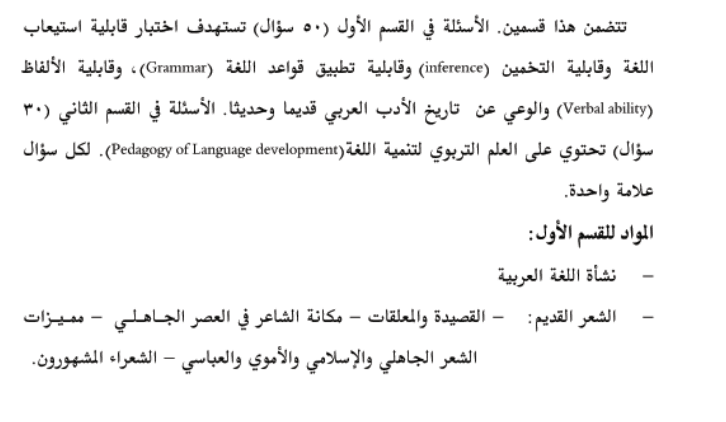
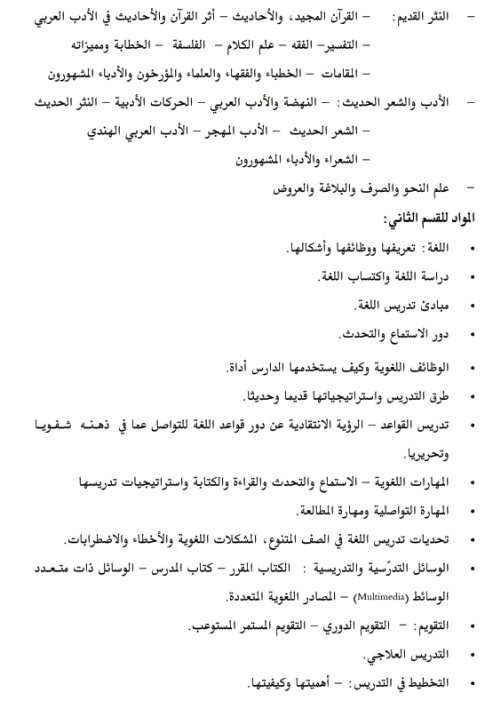
F. ARABIC 80 Questions
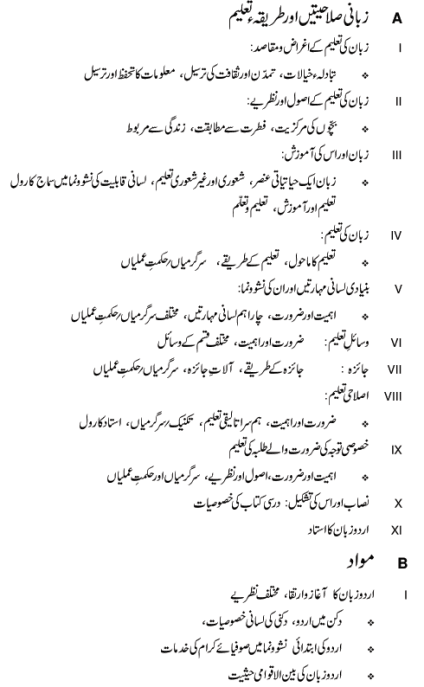
G. URDU - 80 Questions
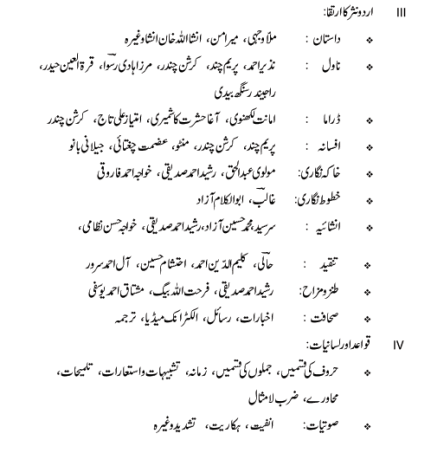
H. SANSKRIT - 80 Questions
(A) शिक्षाशास्त्रावगमः। (Pedagogical understanding) 30 Questions
(i) भाषाधर्माः नैपुण्यञ्च। भाषाधर्माः - आशयावगमः, आशयप्रकाशः, आस्वादनम्। श्रवणभाषणवाचनलेखननैपुण्यः।
(ii) भाषाबोधनसमुपगमः। (Approach of learning language)
प्राचीनरीतयः - गुरुकुलसम्प्रदायः, भण्डार्कर् सम्प्रदायः, पाठपुस्तक सम्प्रदायः।
नूतनरीतयः - ज्ञाननिर्मितिसम्प्रदायः, समस्याधिष्ठितसम्प्रदायः, विमर्शात्मकबोधनसम्प्रदायप्रभृतयः।
(iii) भाषाव्यवहाररूपाणां विभिन्नबोधनरीतयः - गद्यपद्यचम्पू इत्यादयः।
(iv) भाषाध्यापनसमस्याः। (Challenges of teaching language in diverse classrooms - language difficulties, errors and disorders)
(v) आसूत्रणस्य वैविध्यम्। (Different types of planning)
(vi) पाठ्यचर्या पाठ्यक्रमश्च। (Curriculum and Syllabus)
(vii) मूल्यनिर्णयभेदाः - साम्प्रदायिकः नूतनाश्च। निरन्तरमूल्यनिर्णयः, परस्परमूल्यनिर्णयः, स्वयंमूल्यनिर्णयः। श्रेणीकरणञ्च।
(viii) पठनोपकरणानि - पाठपुस्तकम्, नूतनसाङ्केतिकसामग्रयः, बहुभाषायुक्तकक्ष्या। (Teaching learning materials - textbook, multi-media materials, multi lingual resources of the classroom)
(ix) परिहारबोधनम्। (Remedial teaching)
(B) विषयः (Content) - आशयाः धारणाश्च (Concepts and Ideas) 50 Questions
(i) भिन्नशास्त्रेभ्यः संकलिताः मौलिकाशयाः (Basic ideas and concepts from different sastras- Nyaya, Jyotisha, Vyakarana, Vedanta and Sahitya)
(न्यायः - ज्योतिषः - $3 + 2\text{ Q}$, व्याकरणः - $5\text{ Q}$, वेदान्तः - $5\text{Q}$, साहित्यः - $5\text{Q}$) 20 Questions
(ii) भाषाव्याकरणम् - सन्धिः, समासः, कारकाणि , कृत्तद्धिताः, प्रयोगाः, धातवः, लकाराः। 10 Questions
(iii) वृत्तालङ्कारौ $2 + 3\text{ Q}$ 5 Questions
(iv) आनुकालिकविषयाधिष्ठितम्। (Current sanskrit literature) 3 Questions
(v) संस्कृतसाहित्येतिहासः। (History of sanskrit language and literature -
PHYSICAL SCIENCE - 80 Questions
A. Physics (25 questions)
1. Wave motion : Transverse and longitudinal waves, propagation of wave, medium dependence. Sound - loudness, frequency, wavelength, pitch, reflection and refraction of sound waves, echo, beats, Doppler effect, reverberation, SONAR, sound pollution, resonance and musical instruments.
2. Light : Reflection - plane mirror, spherical mirror, multiple reflection, image formation by spherical mirrors and its applications. Refraction : Optical density, total internal reflection and applications. Ray diagram and image formation by lens, lens equation, microscopes, telescope, camera, human eye and common defects of eye and its remedy. Dispersion of light, scattering of light, rainbow, Newton’s Disc, colour of sky, cloud, snow. Primary colours, secondary colours - complementary colours.
3. Force and pressure : Thrust, atmospheric pressure, Pascal's law, Archimedes principle, surface tension and capillarity.
4. Heat : Temperature and temperature scales, modes of heat transmission, boiling, melting, Specific heat capacity, latent heat, regulation
5. Motion : Displacement, velocity, acceleration, equations of motion, graphs of s-t, v-t and their relevance. Circular motion, centripetal acceleration, angular speed, momentum, Newton's law of motion, law of conservation of momentum. Recoil of gun, action - reaction pairs. Centre of gravity, banking of curve.
6. Gravitation : Mass and weight, universal law of gravitation, acceleration due to gravity and factors affecting it, Solar system, orbits, planets, satellite, escape velocity, space exploration and weightlessness in space. Galaxies, stars, big bang, clusters, nebula, Super Nova, solar and lunar eclipse.
7. Work and Energy : Conventional and Non-conventional sources of energy, forms of energy - heat, light, sound, mechanical, nuclear energy, mass energy. Law of conservation of energy.
8. Electricity and Magnetism
Natural and artificial magnets, different types of magnets and their properties, magnetic field lines or lines of force. Earth and its magnetism. Magnetic induction, magnetic properties of matter - para, dia and ferro magnetic materials. Static electric properties, electroscopes, electro static induction, methods of charging, lightning and lightning conductors, earthing, current electricity, electric potential, Ohm’s law, resistance, conductance, resistivity, conductivity, factors affecting resistance. Resistance in series, parallel, use of voltmeter, galvanometer, ammeter, rheostat, Joule’s law of heating.
9. Effects of current and Electromagnetic Induction
Electrolysis, voltameter, Faraday's law of electrolysis, chemical cells, solenoids, electromagnets, electromagnetic induction, AC, DC Generators, electric motors, transmission of AC, self induction, mutual induction, transformers, moving coil microphones, loud speaker.
10. Electronics
Conductors, insulators, semi conductors, doping, different types of diodes and applications, transistor and its applications, ICs.
B. Chemistry (25 questions)
1. Physical changes and Chemical changes : Exothermic and endothermic reactions, electrolysis of water, energy changes in chemical reactions, electroplating
2. Atoms and Molecules : Basic concepts, structure of atom , sub atomic particles - electrons, protons and neutrons,Rutherford’s gold foil experiment, Atom models, Rutherford’s atom model, Bohr model of atom, electron shell model, stability and electronic configuration
3. Metals : Properties - metallic luster, malleability, ductility, conducting property, sonority, corrosion - factors responsible for corrosion, prevention of corrosion, reactions of metals with water, air and acids, Displacement reactions of metals, reactivity series, iron - historical background, extraction using blast furnace, extraction of aluminium from bauxite
4. Solutions : Definition, components of a solution, water as universal solvent, suspensions, concentration of a solution, solubility, super saturated solution
5. Colloids : Definition, properties, artificial drinks, chemicals used in soft drinks
6. Nature of matter : Three states of matter and their characteristic properties, surface tension,cohesive force and adhesive force, capillarity, capillarity rise and capillarity dip, applications of surface tension and capillarity.
7. Separation of Mixtures
Classification of matter, mixtures and pure substances, homogeneous and heterogeneous mixtures, methods of separation of mixtures - filtration, sedimentation, decantation, centrifugation, distillation, fractional distillation, differential extraction using separating funnel, chromatography.
8. Periodic table and chemical bonding
Early attempts of classification of elements, Mendeleev’s periodic table, periodic law, merits and demerits. Modern periodic table - Moseley’s periodic law, nature of elements and electronic structure, valency, representative elements, transition elements, sub shell electronic configuration, classification of elements into blocks (s, p, d & f) and their characteristics.
Periodic trends in properties of elements - Atomic size, number of shells, number of valence electrons, electro negativity, ionisation energy, electro positivity, metallic and non-metallic character
9. Chemical bonding
Octet rule, ionic bond and covalent bond, valency and electro negativity, difference in the formation of compounds, comparison of the properties of ionic compounds and covalent compounds, representation of chemical reactions using chemical formula and chemical equation.
10. Non-metals
- Non metals in food, water and air, reaction of non-metals with oxygen
- Oxygen - Allotropes of oxygen, methods of preparation, uses of oxygen, respiration, combustion and photo synthesis
- Nitrogen - Position in periodic table, inert nature of nitrogen, nitrogen fixation, nitrogenous fertilizers - merits and demerits
- Ammonia - Laboratory preparation, manufacture of ammonia by Haber process, nitrogen cycle
- Hydrogen - Properties, methods of preparation, hydrogen as future fuel-merits and demerits Chlorine - Position in periodic table, properties, bleaching action
- Hydrogen chloride - Laboratory preparation, properties, environmental problems of chlorine compounds Carbon - Unique nature, allotropes, important compounds, carbon cycle, green house effect, global warming
11. Organic compounds
Classification, catenation, tetra covalency of carbon
12. Acids and Alkalies
Constituents of soil and plant growth, acidity of soil, properties of acids, pH, Properties of alkalies, neutralisation, properties of salts - their naming and importance, fertilizers - merits and demerits
13. Gas Laws
Boyle’s law, Charles’ law, Combined gas equation, Avogadro’s law
14. Chemical reactions and Mole concept
Factors influencing rate of reaction - concentration, surface area, temperature and presence of catalyst. Mole Concept -Atomic mass and molecular mass, Avogadro’s law and mole concept, gram atom and gram molecule, mole concept and balanced chemical equations
C. Pedagogy (30 questions)
- Science and its development in India - Science teaching as a process - product and contributions of eminent Indian scientists - developing scientific attitude.
- Aims and objectives of teaching Physical Science
- Objectives of science teaching as envisaged in National Curriculum Framework (2005) - Values (practical, disciplinary, recreational etc) to be attained.
- Taxonomy of educational objectives - Bloom, Yager - science process skills - developmental strategies.
- Theoretical basis of science teaching and learning.
- - Cognitive theories - Piaget, Bruner, Gagne - constructivist learning - Vygotsky, generating knowledge - experiential learning - scope and limitation - reflection - a basic process from learning experience - problem based learning.
- Planning science teaching and learning, unit plan, lesson plan - strengthening instruction by means of A-V aids, video lessons and computer assisted lessons.
- Models of teaching - characteristics - science process models, information processing models - concept attainment model, inquiry training model, constructivist model.
- Methods and strategies for teaching and learning Physical Science - direct and indirect, inductive, deductive, guided discovery, enquiry, investigatory and constructivist methods of instruction - scientific method.
- Approaches - integrated, interdisciplinary, environmental, problem solving and scientific process approach - behaviorist approach and constructivist approach.
- Science curriculum - modern trends in curriculum construction - concept of correlation - features of a science textbook. Workbook for pupils and handbook for teachers.
- Role of science laboratories, libraries, science clubs, science museums, fairs etc in promoting science learning.
- Tools and Techniques of evaluation in science learning - objective based - formative, summative, continuous and comprehensive evaluation, achievement tests - construction and administration - diagnostic testing, remedial teaching - objective type tests - advantages, new trends in evaluation grading, question bank.
- Professional development of teachers, strategies.
NATURAL SCIENCE - 80 Questions
1 Living world
Characteristics of living things - Classification - Binomial nomenclature - Taxonomical aids
2. Biological Classification
History - Two kingdom classification - Five Kingdom Classification - Different Kingdoms Characteristics, Examples -Lichens and Viruses
3. Plant Kingdom
Algae - Bryophytes - Pteridophytes - Gymnosperms - Angiosperms - Life Cycle-types
4. Animal Kingdom - Non chordates - Chordates
5. Morphology of Angiosperms
Root System- Structure, Function and Modifications with examples -Shoot system - Structure, function and modification with examples - Leaf - Arrangement, Modifications - Flower - Inflorescence - Fruits and seeds.
6. Cell and Cell Division
Cell - Structure and functions of different organanelles - Mitosis, Meiosis and significance.
7. Anatomy of plants
Cell, tissues, types of tissues and function - Anatomy of stem, Root and leaf - 2o thickening in Dicot plants.
8. Human Physiology
Nutrition in human and other organism, eg: Hydra, Amoeba, Tapeworm - Human digestion and absorption - Human Respiratory system - Human Respiratory pathway CO2 elimination, Respiration in other organisms, eg: Earthworm, Cockroach - Circulatory system - Open and closed system - Human heart - Human circulatory system - Human blood - Lymph - Human cardio vascular disorders - Excretory system and excretion - Excretion in lower organisms - Body structure and movement - Human skeletal system - Exo skeletan and endo skeleton - Joints - Locomotion in lower forms of organisms - Flight adaptation of birds - Aquatic adaptations of fishes - Human Nervous systems - Central and peripheral nervous system - Reflex action - Sense organs and functions - Nervous disorders - Nervous system of lower groups organisms - Reproductive system - Sexual and asexual reproduction - Human reproductive system - Gametogenesis - Fertilisation - Embryogenesis - Hormones in reproduction -Reproduction in lower group organisms - Infertility - Assisted reproductive techniques - Chemical Co-ordination - Hormones, Pheromones.
9. Reproductive Health
Population Explosion - Contraceptive - Assisted Reproductive techniques - Sexually transmitted diseases.
10. Human Health and diseases
Common diseases in humans - Transmission of diseases - Physical, mental and social health - Importance of balanced diet - Deficiency disorders - Life style diseases - Malnutrition, Food adulteration - Different diagnostic techniques - Antibiotics - First Aid - Blood Donation - Immunity - Vaccination - Immune disorders - Different systems of treatment - Cancer - Drugs and Alcohol Abuse.
11. Reproduction in Plants
Life span - Asexual reproduction - examples - Sexual Reproduction - stages.
12. Reproduction in Angiosperms
Flower parts - Micro sporogenesis - Megasporogenesis - Pollination - Fertilization - Fruit development - Seed development - Parthenocarpy and Apomixis.
13. Transport in plants
Physical phenomenon like Osmosis, Diffusion, Imbibition - Ascent of sap- Different theories - Transpiration and Guttation.
14. Mineral Nutrition
Mineral and Non mineral nutrients - Essential and Non essential nutrients - Source and functions of essential nutrients - Deficiency symptoms - Hydroponics and Aeroponics - N2 metabolism in plants - Biological N2 Fixation.
15. Photosynthesis
Chloroplasts and chlorophyll - structure and function - Light phase Reaction - Dark phase Reaction - C3 and C4 plants.
16. Respiration in Plants
aerobic, anaerobic - Glycolysis, Krebs cycle, Electron transport system - Respiration as an amphibolic pathway.
17. Growth and Development
Plant hormones - Various types of plant movements - Vernalisation and Photoperiodism.
18. Inheritance and variations
Mendalian laws - Monohybrid cross - Dihybrid Cross - Test cross - Co-dominance - Multiple allelism - Genetic disorders.
19. Molecular basis of Inheritance
Structure of DNA - DNA replication - Transcription - Translation - Genetic code - Mutation - Sex determination in humans - Human genome project - DNA finger printing.
20. Strategies in enhancement of food production
Animal husbandry - Poultry, Pisciculture, Sericulture - Animal breeding - Plant breeding - Tissue culture - Breeding for disease resistance, pest resistance.
21. Bio technology - Principles, applications
Genetic engineering - DNA technology - steps and procedure - Vectors- types and examples - Bio reactors - types and uses - Down streaming - Applications in Agriculture - Applications in pest resistance - Applications in insulin formation - Gene therapy - Genetically modified organisms (GMOs) - Transgenic plants and Animals.
23. Microbes in Human welfare
Growth of micro oraganisms - Microbes in sewage treatment - Microbes as bio-control agents - Microbes as bio-fertilisers.
24. Organisms, population and Eco system
Species, population, community concepts - Abiotic factors- soil, water, light and temperature - Biotic factors - producer, consumer and decomposers - Food chain, food web, ecological pyramids - Ecological interactions - Bio geo chemical cycles - Ecological successions.
25. Environmental Issues
Pollution - Water, air, soil, sound and radio active - Causes, effects and control measures - Green house effect - Global warming- causes, effect and control.
26. Evolution
Origin of life Theories of evolution - Evidences of evolution - Geological time scale - Mechanism of evolution - Origin and evolution of man
27. Bio Diversity and conservation
Bio Diversity - Conservation of Bio Diversity.
PEDAGOGY
1. UNESCO - 4 pillars of education
a. Learning to learn
b. Learning to do
c. Learning to live together
d. Learning to be.
2. Broad national goals of teaching biological sciences
Broad national goals - objectives of science teaching as envisaged in NCF - 2005.
3. Mc Cormick and Yager-Taxonomy of teaching science
a. Knowledge domain
b. Process domain
Creativity domain
Attitudinal domain
Application domain.
4. Nature of science
Science as a process and product - Process skills in science.
5. Science curriculum
Concentric curriculum - Spiral curriculum - Principles of curriculum construction - Difference between curriculum and syllabus.
6. Planning for instruction
Classroom implications of constructivism and critical pedagogy - Meaning of pedagogic analysis - Importance of pedagogic analysis - Year planning, unit planning, lesson planning.
7. Methods of Teaching Natural science
Lecture method - Lecture cum Demonstration - Project method - Experimental method - Heuristic method - Dalton plan - Biography method - Inductive method - Deductive method.
8. Audio-Visual aids and other support materials
Importance of using teaching -learning aids - Multisensory approach - Science lab and importance of practical work - Science library - Science fair - Field trips - Science textbook - Teachers handbook - VICTERS - IT@school project.
9. Evaluation
Construction of achievement test - Continuous and comprehensive evaluation (CCE, CE & TE) - Grading.
10. Agencies for quality assurance
NCTE - NCERT - SCERT - Programmes for the professional development of teachers.
MATHEMATICS 80 Questions
The examination will be broadly based on the topics prescribed for classes 8 - 10 in Kerala state syllabus for Mathematics but some problems may have links to extension of these concepts to the graduate level. The details are given below:
1. Content (50 Questions)
Arithmetic
Real number system; modulus of numbers - distance between two numbers, rational numbers, irrational numbers, infinite decimal representation.
Sequences and series : Problems relating to arithmetic progression and geometric progression.
Algebra
Solutions of two equations in two variables; Quadratic equations, basic operations in polynomials, factor theorem, reminder theorem, binomial theorem for positive integral index.
Trigonometry
Similar triangles, trigonometric measures, problems on heights and distances, geometric problems using trigonometry, properties and solutions of triangles using sine and cosine laws, radian and degree measures.
Geometry
- Circles : Central angle theorem, angles in the same segment, cyclic quadrilaterals, tangents, angle between tangent and chord. Perimeter and area of circles, length of arcs and area of sectors.
- Solids : Volume and surface area of prisms, pyramids, cylinder, cone and sphere.
- Co-ordinate Geometry : Co-ordinates, distance formula, slope and equation of a line, slope of parallel and perpendicular lines, perpendicular distance from a point to a line, external and internal division of line segment, equation of a circle with given radius and centre.
- Conic sections : Basic concepts and related problems.
- Graphs of elementary function such as polynomials, absolute values, trigonometric functions.
Statistics and probability
Frequency distribution, classification and tabulation of data, graphical representation of data and frequency distributions, measures of central tendency and dispersion. Basic concepts and problems on probability. Idea of conditional probability.
2. PEDAGOGY - 30 Questions
Nature and scope of Mathematics
Meaning, language, characteristics, significance, practical utility, curricular considerations and psychological considerations.
Trends and Developments in Mathematics
Historical development of Mathematics, latest developments in Mathematics, eminent Mathematicians and their contributions
Place of Mathematics in Secondary School Curriculum
Aims and objectives of learning Mathematics at secondary school level, correlation of Mathematics with life, with other subjects and correlation among various branches of Mathematics. Values of teaching Mathematics. Planning of teaching at different stages.
Approach to Mathematics learning
Importance of constructivist learning; Concept of learning to learn; concretisation of abstract ideas using learning aids, activities and illustrations; Techniques of individualizing instruction in Mathematics.
Theoretical bases of teaching Mathematics
Learning theories of Piaget, Burner and Gagne and the implications of these theories in the teaching of Mathematics, Learner centeredness.
Modern strategies and Methods of teaching Mathematics
Models of teaching, process oriented strategies - projects, seminars, field trips, debates etc. Methods of teaching - Inductive method, deductive method, analytic method, synthetic method, laboratory method, project method, problem solving method, heuristic method.
Teaching - Learning materials in Mathematics
Textbooks, handbooks, workbooks, qualities of good mathematics textbook and learning aids.
Curricular Activities in Mathematics learning
Mathematics club, laboratory, library, organization of Mathematics fair;
Evaluation of student performance
Continuous and comprehensive evaluation, grading the performance, achievement test, diagnostic test, diagnosis and remediation, qualities of a good achievement test, types of test items.
SOCIAL SCIENCE
(HISTORY, GEOGRAPHY, ECONOMICS, POLITICAL SCIENCE, PEDAGOGY) 80 Questions
History - 15 Questions
1. Kerala History
- Pre - history, Megalithic monuments, Sangam age, Tinais, Kulasekharas
- Advent of Europeans, Mysorean Invasion, Rise of British power, Resistance against the British - Pazhassi Raja, Veluthampi, Paliyathachan, Kurichya Revolt, Agrarian struggles in Malabar
- Social reform movements and leaders
- National movement in Kerala, Aikya Kerala Movement and the formation of the state
- Progress in Education and Health
2. Indian History
- Pre - historic period, Harappan culture, Vedic Age, Rise of new religions, Janapadas, Mauryan Empire, Age of Guptas and Vardhanas, Feudalism
- Delhi Sulthanate - Social, Political, Economic and Cultural life
- Mughal Empire - Social, Political, Economic and Cultural Life
- Rise of British Rule, Economic impact, Land Revenue Policy
- Resistance against the British, Revolt of 1857
- Emergence of Nationalism, Indian National Congress, Different phases of India’s national movement, Indian Independence
- Integration of princely states, Linguistic reorganization, Foreign policy, Economic planning, Progress in Education, Science and Technology
3. World History
- Pre - history, Ancient Civilizations - Egypt, Mesopotomia, China, Greece, Rome
- Religions - Judaism, Christianity, Islam, Confucianism, Taoism, Zorastranism
- Feudalism
- Renaissance, Geographical discoveries, Reformation
- Glorious revolution, American War of Independence, French Revolution, Napoleon, Industrial and Agrarian Revolutions, Capitalism and Socialism
- Imperialism, First World War, Russian Revolution, Fascism and Nazism, Second World War, Chinese Revolution, Cold War, Liberation of Vietnam and South Africa, Disintegration of Soviet Union
Geography - 15 Questions
1. Atmosphere
Structure and composition - Atmospheric temperature and its distribution - Global Pressure belts and planetary winds - Temperature zones and seasons - Forms of condensation and precipitation - Atmospheric pollution and ozone depletion - Global warming and climatic change - Changes in the atmosphere due to the intervention of man
2. Lithosphere
Interior of the earth - Plate movements, earthquakes, volcanoes - Weathering and its types - Mountains, plateaus, plains - Major landforms by running water, wind, wave and glacier - Changes in the lithosphere due to the intervention of man
3. Hydrosphere
Distribution of water on the earth - Movements of ocean water – waves, tides, currents - Underground water, rain water harvesting - Changes in the hydrosphere due to the intervention of man
4. Modern Techniques in Geography
Remote sensing - Geographic information system
5. Continents of the world
Physiography, climate, vegetation, soil, minerals, agriculture & industries
6. India
- Physical aspects - Location, physiography, climate, drainage, soil and vegetation
- Economic aspects - Major crops, agriculture, industries and transport
- Human aspects - Population – distribution, density, growth and sex-ratio and Migration and settlements
7. Map and Map study
Map scale, direction - Conventional signs and symbols - Latitude, longitude, longitude and time - Types of maps, Topographical maps
Economics - 10 Questions
1. Economic Growth & Development
Characteristics of Growth and Development - Human development Index and its components - Sustainable Development - India
2. Sectors of the Economy - Issues and Challenges - India and Kerala
Primary, Secondary and Tertiary Sectors - Sectors and its contribution to National Income - Role of public, private and joint sectors in development - Food Security - India and Kerala
3. Economic Systems and State Finance
Capitalism, Socialism and Mixed economy - Classification of Government revenue and expenditure - Budget - concepts, types, expenditure classification in budgets - India and Kerala
4. Money and Financial system
India’s Financial System - Banking and Non-banking Financial Institutions in India - Nationalisation of Banks in India - Development banks - RBI & Monitory regulations
5. Globalisation
Globalisation, Liberalisation and Privatisation - Multi National Corporations - Foreign capital - Types and Features - International Economic Institutions - IMF, IBRD, G ATT, WTO, ADB
Political Science - 10 Questions
1. Democracy Direct and Indirect - Direct Democratic Devices - Democracy in India: Recent Trends and Challenges
2. India: Constitution, Government and Politics
(A) Constitution of India
- Constituent Assembly - Preamble, Fundamental Rights, Fundamental Duties, Directive Principles of State Policy, Federal and Unitary features - Division of Powers - Amendment Procedure
(B) Government: Union and State
- Legislature: Parliament and State Legislatures
- Executive: President, Vice President, Governor, Prime Minister, Chief Minister and Council of Ministers
- Judiciary: Supreme Court, High Court, Subordinate Courts, Judicial Activism, Public Interest Litigation
3. Local Self Governments
Panchayati Raj and Nagara Palika systems
4. Politics in India
Political Parties and Party System - National and State Parties - Election Commission of India - State Election Commission
5. Human Rights
Universal Declaration of Human Rights (UDHR) - National Human Rights Commission (NHRC) - State Human Rights Commission
6. International Organizations
(A) United Nations Organisation - Organisation, Organs and Objectives - Specialized Agencies - WTO, WHO, UNESCO, IMF & World Bank - UN’s Environmental Summits and Conferences
(B) Regional Associations - NAM, SAARC, ASEAN
Pedagogy - 30 Questions
Meaning, Nature, Scope, Importance and Correlation - National goals, Aims, Objectives and Values of instruction - Taxonomy of instructional objectives and specific outcomes of learning - Pedagogical analysis - objectives, advantages and dimensions - Planning of instruction - Importance, stages and principles -Methods, approaches and principles of instruction-traditional Vs modern - Instructional strategies - Criticism for selection, characteristics and principles - Characteristics, elements and families of models of teaching - Curriculum - modern trends, principles and organizational approaches - Learning resources and co-curricular activities in learning - Learner needs and types of learning - Basic requirements of learning - process skills, prerequisites and student skills - Evaluation - Purpose, modern trends and principles - Types of tests/questions - merits and demerits Social science Teacher - qualities, qualifications and professionalism
Begin KTET Category 3 Preparation with CC Learning App
Prepare for the Kerala Teacher Eligibility Test K TET Category 3 exam with CC Learning App by Competitive Cracker, the best KTET online coaching app in Kerala for teaching aspirants.
Get complete KTET Category 3 coaching with live and recorded classes through app, pedagogy-focused learning, mentor support, OMR mock tests, KTET 3 previous year question discussions, revision guidance and updated study materials. Start early with the latest KTET Category 3 syllabus and improve your preparation with structured learning and regular practice with CC Learning App.
Join the Best KTET Category 3 Coaching Platform in Kerala!
Tap Here
Frequently Asked Questions
1. What is KTET Category 3?
KTET Category 3 is a part of the Kerala Teacher Eligibility Test conducted for candidates aspiring to become high school teachers in Kerala government and aided schools. Qualifying the KTET Category 3 exam is mandatory for teaching Classes 9 and 10 in Kerala.
2. Who conducts the KTET Category 3 exam?
The KTET Category 3 examination is conducted by Kerala Pareeksha Bhavan for teacher recruitment eligibility in Kerala schools.
3. What is the exam pattern of KTET Category 3?
The KTET Category 3 exam consists of 150 objective-type Multiple Choice Questions (MCQs) for a total of 150 marks. The examination is conducted in offline OMR mode with a duration of 2 hours and 30 minutes. There is no negative marking in the KTET exam.
4. What subjects are included in the KTET Category 3 syllabus?
The KTET Category 3 syllabus includes Adolescent Psychology, Theories of Learning and Teaching Aptitude, Language Iand Subject-Specific Content & Pedagogy.
5. Is there negative marking in KTET Category 3?
No, there is no negative marking in the KTET Category 3 examination. Candidates can attempt all questions without losing marks for incorrect answers.
6. What is the qualification required for KTET Category 3?
Candidates applying for KTET Category 3 must possess a Bachelor’s Degree along with a B.Ed. degree in the relevant subject or any other approved equivalent teaching qualification.
7. How can I download the KTET Category 3 syllabus PDF?
Candidates can download the latest KTET Category 3 syllabus PDF from the official website of Kerala Pareeksha Bhavan or through trusted KTET coaching platforms and educational websites.
8. Which is the best KTET Category 3 online coaching platform in Kerala?
Competitive Cracker CC Learning App is one of the popular KTET online coaching platforms offering live classes, recorded sessions, pedagogy-focused learning, OMR mock tests, mentor support and KTET previous year question discussions.
9. How should I prepare for the KTET Category 3 exam?
Candidates should prepare using the latest KTET Category 3 syllabus, previous year question papers, mock tests, pedagogy topics, revision notes and structured study plans for better performance in the Kerala Teacher Eligibility Test.
10. Is KTET Category 3 mandatory for high school teacher jobs in Kerala?
Yes, qualifying the KTET Category 3 exam is mandatory for candidates seeking high school teacher jobs in Kerala government and aided schools.
Notifications
Trending Updates


Related Blogs
May 30, 2026
KTET Complete Guide : Eligibility, Exam Pattern, Syllabus, Application Process, PYQs & Preparation Strategy
10 minute read
June 1, 2026
KTET Category 2 Syllabus 2026 | Download PDF
19 minute read
May 29, 2026
KTET Category 1 Syllabus 2026 PDF : Subjects, Marks & Exam Pattern
11 minute read
June 2, 2026