Table of Contents
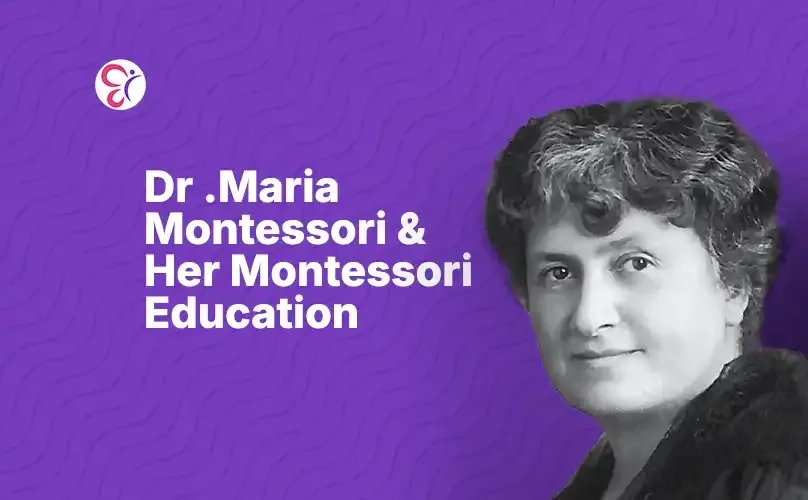
Dr Maria Montessori was a visionary educator who transformed early childhood learning through her child-centred Montessori education system. Explore her life, Montessori philosophy, and why the Montessori method continues to shape modern education and Montessori teacher training worldwide.
Who Was Dr Maria Montessori?
Dr Maria Montessori was an Italian physician, educator, and innovator whose work transformed the world of early childhood education. Born on August 31, 1870, in Chiaravalle, Italy, she became one of the first women in her country to earn a medical degree.
Dr Montessori devoted her life to understanding how children learn naturally and developed an education system that supports each child’s unique potential. Her philosophy now forms the foundation of Montessori education used in schools and Montessori teacher training courses worldwide.
Join CC Learning App to Start Your Career in Montessori!
Enrol Today!
Life & Legacy of Dr Maria Montessori
Dr Montessori began her career in medicine but soon became interested in education, specifically how children learn by observation and experience. While dealing with children of different abilities, she noticed that traditional education methods often limited young learners and they have a natural ability to learn if provided with the right environment and tools.
In 1907, she opened the first Casa dei Bambini (First Montessori School) in Rome, where children thrived using specially designed materials that encouraged independent learning. This experiment marked the beginning of the Montessori method of education, which emphasizes self-directed activity, hands-on learning, and respect for each child’s pace of development.
Dr Montessori’s work did not stay confined to Italy, she travelled across Europe, the United States and India, establishing schools and training teachers in her Montessori approach. Her legacy continues through thousands of Montessori schools and Montessori teacher training institutes worldwide.
What Is Montessori Education?
Montessori education is a holistic, child-centred approach that encourages children to learn through interaction with their environment rather than traditional education. In a Montessori classroom, children are free to explore, choose activities, and develop independence at their own pace.
Core Concepts of Montessori Education
1. Respect for the Child
Dr Montessori believed that every child deserves respect, freedom, and encouragement to grow naturally. Teachers act as guides, not directors, allowing children to take charge of their learning.
2. Prepared Environment
Montessori classrooms are carefully arranged with Montessori materials and Montessori toys designed to be engaging, accessible, and purposeful. This prepared environment helps children make independent choices and learn naturally.
3. Absorbent Mind & Sensitive Periods
Montessori observed that young children easily take in knowledge from their surroundings. She pointed out key periods when children are especially ready to learn specific skills.
4. Individualised Learning
Each child learns differently and at their own pace. In Montessori classes, lessons are designed to the child’s developmental needs, making Montessori teacher training focused on observation and personalised guidance.
5. Auto-Education & Independence
Montessori believed children teach themselves through engagement with activities and materials. This concept of auto-education fosters deep independence, self-motivation, and confidence.
How Montessori Philosophy Influenced the World
Dr Maria Montessori’s ideas have had a lasting impact on education globally. Her emphasis on self-directed learning, independence, and respect for children’s natural development changed how educators view early learning.
Montessori education now exists in over 140 countries, and Montessori teacher training remains a demanding qualification for educators aiming to work with young children.
Many modern preschools and early childhood programmes incorporate Montessori principles even if they aren’t fully Montessori schools, especially in areas like child-centred learning, hands-on activities, and mixed age groups.
Montessori Education vs Traditional Education
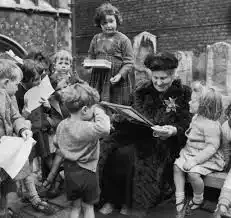
Montessori classrooms are dynamic and flexible unlike traditional schooling where children sit and follow uniform lessons. Children use Montessori materials that appeal to their senses and help them understand abstract concepts through exploration. Montessori education focuses not just on academics, but also on emotional, social, and practical life skills.
Montessori Teacher Training: Keeping the Legacy Alive
Becoming a Montessori teacher requires specialised training in Montessori philosophy and Montessori methods. Montessori teacher training courses help educators understand how to create learning environments, observe children’s needs, and guide without controlling.
This Montessori teacher training is essential to maintain the integrity of Dr Montessori’s vision and to deliver authentic Montessori education.
Whether pursued through traditional institutes or online Montessori teacher training programmes, this education equips aspiring teachers to create nurturing, engaging, and child-centred classrooms.
Related Links:
- Montessori TTC Eligibility Criteria 2026
- Montessori TTC vs Pre-Primary Teacher Training
- Jobs After Montessori TTC
- Montessori Teacher Salary in India 2026
- Montessori TTC Online vs Offline Training
- Montessori TTC Course Duration & Fees
Download the CC Learning App and begin your journey to becoming a certified Montessori teacher the smart way.
Download Here!
Become a Montessori Teacher with the Right Training
Enrolling in a Montessori TTC Course is the first step if you are inspired by Dr Maria Montessori’s philosophy and wish to work with young children. The CC Learning App offers the best Montessori TTC course through app-based classes, helping aspiring teachers understand Montessori education and practical teaching methods.
This flexible and beginner-friendly learning approach is perfect for homemakers, freshers, and career returners who want to become confident Montessori teachers. Download the CC Learning App and begin your journey to becoming a certified Montessori teacher the smart way.
FAQs
Who was Dr Maria Montessori?
Dr Maria Montessori was an Italian physician and educator who developed the Montessori approach to learning, focusing on child development and independence.
When did Montessori education begin?
Montessori education began in 1907 with the opening of the Casa dei Bambini in Rome.
What is Montessori education?
Montessori education is a child-centred education system that encourages independence, self-directed learning, and hands-on interaction with specially designed Montessori materials.
What makes Montessori teaching different from traditional schooling?
Montessori teaching focuses on the natural learning process, offering freedom of choice and activity within a prepared environment rather than rigid classroom education.
Why is Montessori teacher training important?
Montessori teacher training makes educators with the skills and understanding to lead Montessori classrooms, respecting each child’s pace and potential.
Why are Montessori materials and toys important?
Montessori materials and toys are designed to help children learn concepts through touch, movement, and exploration, making learning more meaningful and long-lasting.
Is Montessori education suitable for all children?
Yes. Montessori education supports children with different learning speeds and abilities by allowing them to learn at their own pace in a supportive environment.
Can I become a Montessori teacher later in life?
Yes. Montessori teacher training is open to all age groups and is especially popular among homemakers and career returners who want a meaningful teaching career.
Notifications
Trending Updates