
Surgeon Performs Remote Robotic Surgery on Patient 35 Miles Away: Major Medical Milestone
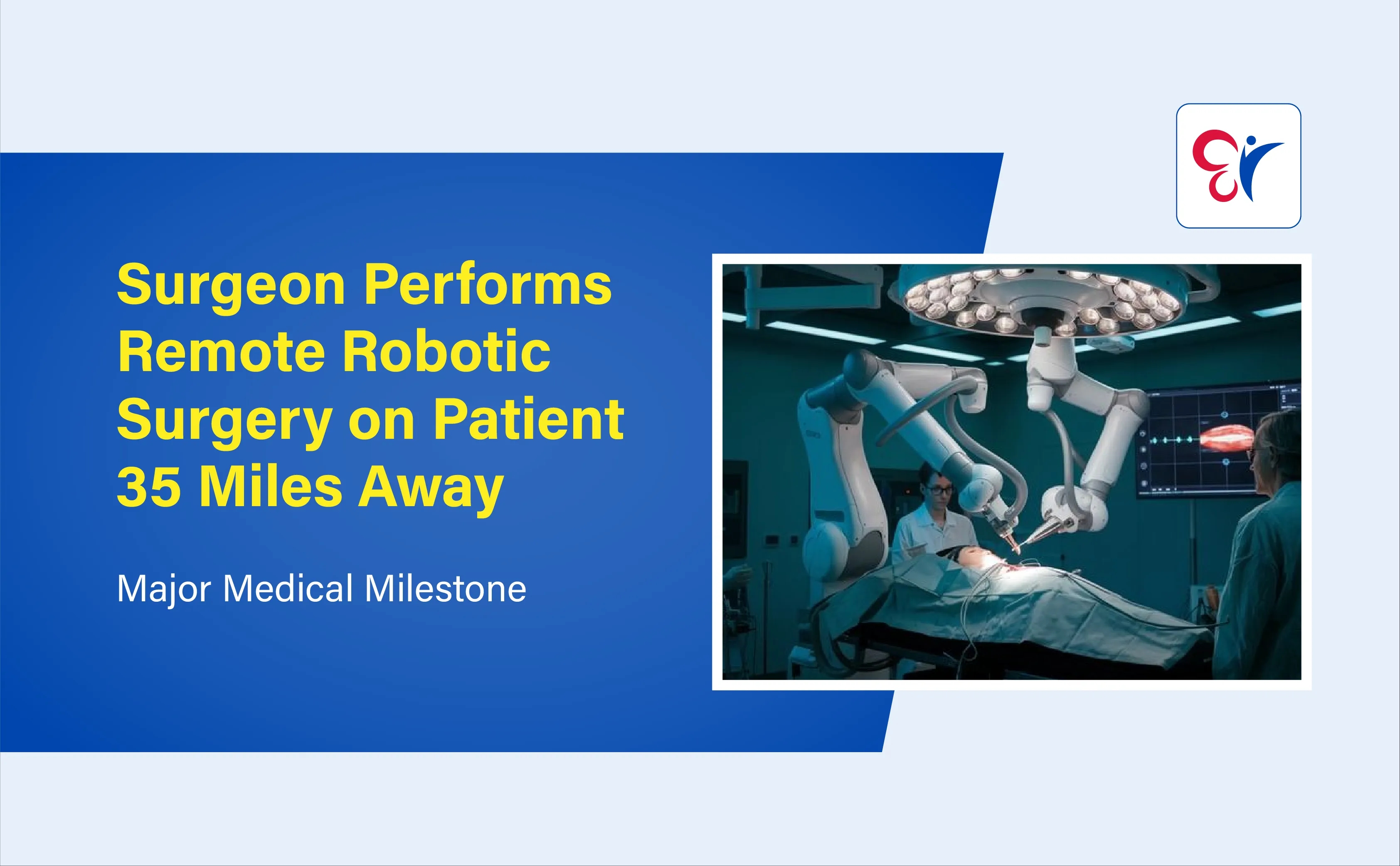
A surgeon in Florida, USA, has successfully performed robotic surgery on a patient located 35 miles (56 km) away, marking a significant development in remote robotic surgery. Conducted on 25 October 2026, the procedure highlights the growing role of medical robotics and advanced communication technology in modern healthcare.
Dr. Vipul Patel, founder and medical director of the Global Robotics Institute at AdventHealth Celebration, performed a robotic prostatectomy on a 66-year-old patient at AdventHealth Minneola in Central Florida. The patient, who had been diagnosed with prostate cancer, underwent surgery using the Toumai Surgical System, developed by MicroPort MedBot.
During the operation, Dr. Patel controlled the robotic surgical instruments remotely from a separate location. A qualified medical team, including co-investigator Dr. Marcio Moschovas, remained with the patient to provide assistance and respond to any emergencies. The patient was reported to be recovering well after the procedure.
How Does Remote Robotic Surgery Work?
Remote robotic surgery, also known as robotic telesurgery, allows surgeons to operate on patients located at a distance. It connects a surgeon's control console to robotic instruments positioned beside the patient through specialised communication networks.
The technology uses robotic arms, high-definition 3D imaging and real-time data transmission to translate the surgeon's hand movements into precise surgical actions. The surgeon maintains control of the instruments throughout the operation, while the robotic system assists in carrying out the procedure.
Benefits and Challenges of Robotic Telesurgery
Remote robotic surgery has the potential to improve access to specialised medical treatment, particularly for patients living in rural and remote areas. It could also help hospitals connect with experienced surgeons across different locations, reducing geographical barriers to advanced surgical care.
However, the technology also faces several challenges. Network delays, communication failures, cybersecurity threats and equipment reliability are important concerns. Reliable backup systems and trained medical professionals at the patient's location are essential to ensure patient safety during remote operations.
What Does This Mean for the Future of Healthcare?
The successful 35-mile remote robotic surgery demonstrates the potential of medical robotics and telesurgery to transform modern healthcare. By connecting surgeons and patients across distances, this technology could expand access to specialised surgical services.
However, further research, regulatory approvals and improvements in communication infrastructure are necessary before remote robotic surgery becomes more widely available. This development represents an important step towards a future where geographical distance may no longer be a major barrier to accessing specialised surgical care.
Trending Updates


