Table of Contents
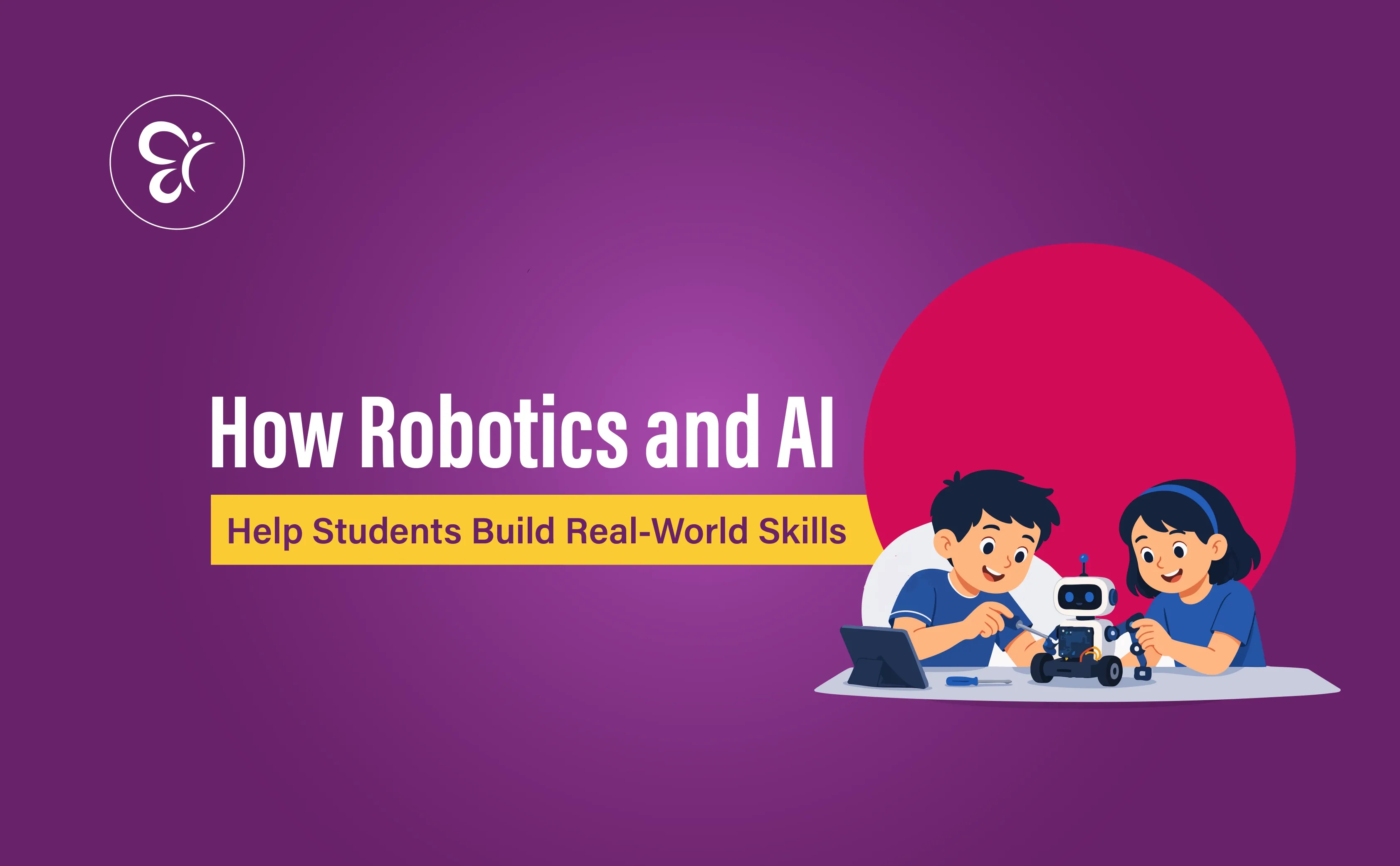
Robotics and Artificial Intelligence (AI) are transforming the way children learn, making them an essential part of modern STEM education. Beyond improving academic performance, robotics and AI help students develop real-world skills such as critical thinking, problem-solving, creativity, digital literacy, and collaboration, skills that are increasingly important in today's technology-driven world.
As parents look for learning experiences that go beyond textbooks, robotics and AI education offer a hands-on, project-based approach that encourages children to explore, experiment, and innovate. Through interactive activities, students learn to apply classroom concepts to real-life challenges while building the confidence to adapt to future opportunities.
Learn how robotics and AI for students foster future-ready skills, why early exposure matters, and how these technologies prepare children for success in school, higher education, and tomorrow's careers.
What Are Robotics and Artificial Intelligence?
Robotics and Artificial Intelligence (AI) are two of the most exciting technologies shaping the future of education and innovation. While robotics involves designing, building, and programming machines to perform specific tasks, AI enables those machines and computer systems to analyse information, recognise patterns, and make intelligent decisions.
For students, Robotics and Artificial Intelligence technologies are not just subjects to learn, they are powerful learning tools. Through interactive projects, coding, and experimentation, children discover how technology can be used to solve everyday challenges, automate tasks, and create innovative solutions. This practical approach makes learning engaging while helping students understand how science, engineering, and technology work together in the real world.
Real-World Skills Students Develop Through Robotics and AI
Robotics and AI education is about much more than learning to code or build machines. By working on real-world challenges, students develop practical skills that help them succeed in school, higher education, and everyday life.
1. Critical Thinking Through Real-World Challenges
Every robotics project starts with a problem that needs solving. Students analyse the challenge, test different approaches, identify errors, and improve their designs until they find an effective solution. This process strengthens critical thinking, logical reasoning, and structured problem-solving skills, teaching children that persistence and continuous improvement are just as important as finding the right answer.
2. Creativity Through Designing and Building
Robotics encourages students to turn ideas into working solutions. Whether they're designing a robot, programming an automated task, or creating an AI-powered project, they combine imagination with technical knowledge. This hands-on approach nurtures creativity, innovation, and the confidence to experiment with new ideas.
3. Computational Thinking and Coding Skills
Robotics and AI introduce students to computational thinking, helping them break complex problems into manageable steps, recognise patterns, develop logical solutions, and refine algorithms. Through beginner-friendly coding activities, students also learn programming concepts such as sequences, loops, conditions, and automation while improving their digital literacy.
4. Collaboration and Communication
Many robotics projects are completed as a team, encouraging students to share ideas, divide responsibilities, communicate effectively, and learn from one another. These collaborative experiences build leadership, teamwork, and communication skills that are valuable both inside and outside the classroom.
5. Resilience Through Trial and Error
Building and programming a robot rarely works perfectly on the first attempt. Students learn to troubleshoot, debug, test, and improve their projects through repeated experimentation. This teaches resilience, patience, adaptability, and a growth mindset, helping children see mistakes as opportunities to learn and improve.
6. Confidence to Solve Real-Life Problems
As students complete robotics and AI projects, they begin to see how classroom concepts can be applied to everyday situations. Successfully designing, building, and programming solutions gives them the confidence to tackle new challenges independently, preparing them to become capable learners and future innovators.
Why Are Robotics and AI Important for Students?
Learning robotics and AI allows students to move beyond theory and experience how technology works in real life. Rather than simply following instructions, they learn to design, build, test, and improve solutions through experimentation and teamwork.
Every robotics challenge encourages students to think logically, make decisions, troubleshoot errors, and refine their ideas. Similarly, AI-based activities introduce children to concepts such as pattern recognition, automation, and data-driven thinking in an age-appropriate way. These experiences help students become more confident learners while developing a practical understanding of technologies that are increasingly influencing everyday life.
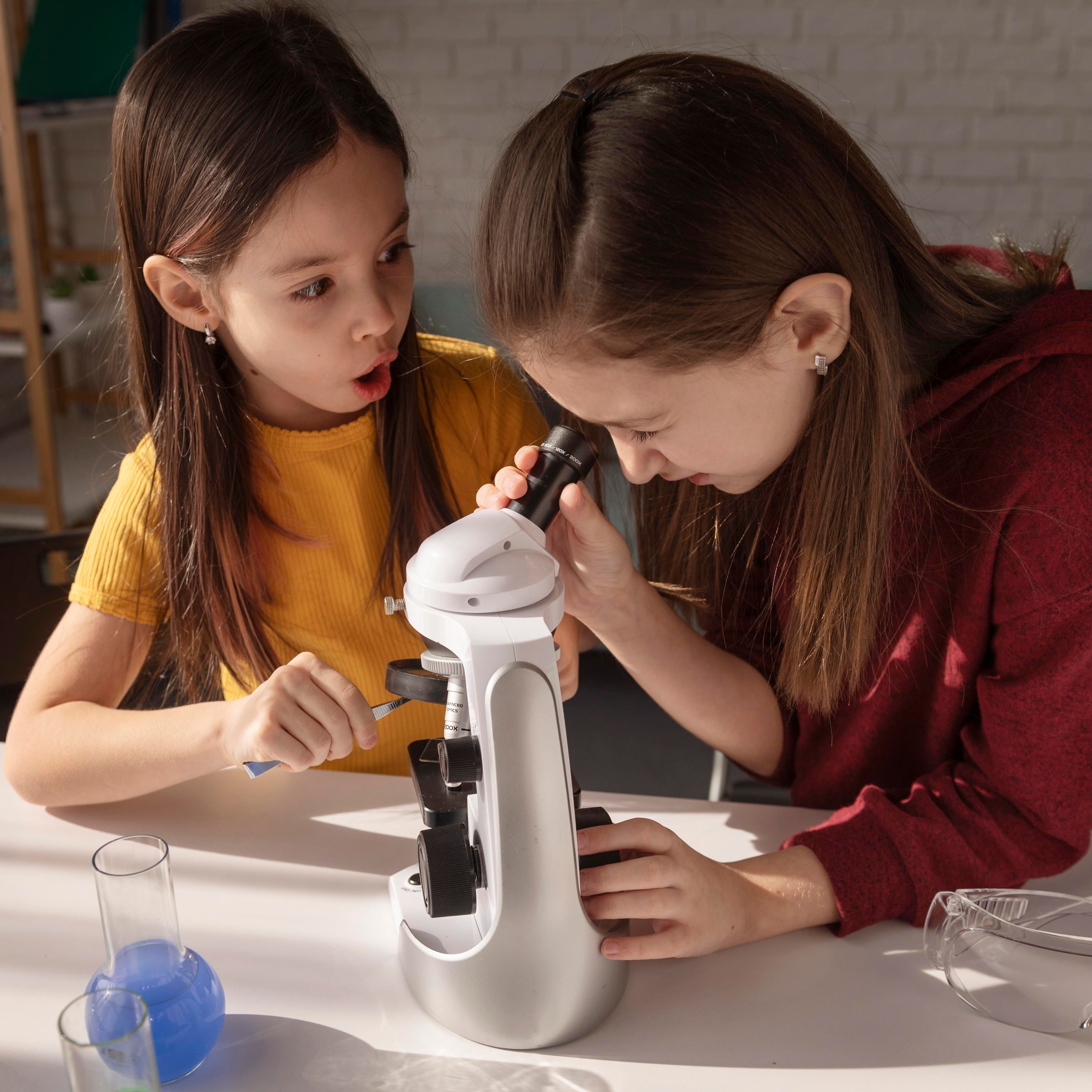
How Robotics and AI Bring STEM Learning to Life
One of the biggest advantages of robotics and AI in education is that they transform classroom concepts into practical, hands-on experiences. Instead of simply learning theories, students apply their knowledge to design, build, test, and improve real-world solutions.
For example:
- Science helps students understand concepts such as force, motion, energy, and electricity.
- Technology introduces coding, programming, sensors, and automation.
- Engineering encourages students to design, build, and improve working models.
- Mathematics develops logical reasoning, measurements, calculations, and data analysis.
By bringing these subjects together, robotics and AI create an engaging STEM learning environment where children can explore, experiment, and innovate. This project-based learning approach not only strengthens academic understanding but also helps students see how classroom knowledge can be applied to solve real-life challenges, making learning more meaningful and memorable.
At What Age Should Children Start Learning Robotics and AI?
A common misconception is that robotics and AI education is only suitable for older students. In reality, children can begin exploring these technologies from their primary school years through age-appropriate, hands-on learning activities that match their curiosity and learning abilities.
Primary School Students
Young learners are introduced to robotics and AI through fun, interactive experiences such as
- Simple robotics kits
- Block-based coding
- Interactive science experiments
- Basic engineering challenges
- Creative problem-solving activities
These activities help build curiosity, logical thinking, creativity, and confidence while making technology enjoyable and easy to understand.
Middle and High School Students
As students grow, they can progress to more advanced concepts, including:
- Robot programming
- Artificial Intelligence (AI) fundamentals
- Electronics and sensors
- Engineering design
- Python and other programming languages
- Automation and data-driven projects
This gradual learning approach helps students strengthen their STEM knowledge, develop practical technical skills, and prepare for higher education and future careers in an increasingly technology-driven world.
Download the CC Learning App today and inspire your child to learn, create, and innovate with Robotics & AI Learning!
Join Today!
Why Parents Should Encourage Robotics and AI Learning
In today's digital world, robotics and AI learning is no longer just an advantage, it's an opportunity for children to build practical skills that will benefit them throughout life. Introducing these technologies at an early age isn't about preparing every child to become an engineer or programmer, it's about helping them become confident, curious, and adaptable learners.
Through hands-on learning and real-world projects, students develop critical thinking, creativity, collaboration, and problem-solving abilities while gaining confidence in using technology responsibly. These support academic success and are valuable across a wide range of future careers, including healthcare, business, design, education, engineering, and technology.
By encouraging children to explore robotics and Artificial Intelligence (AI) today, parents can help them build a strong foundation for lifelong learning and success in an increasingly technology-driven world.
Also Read:
- Robotics for Kids: A Complete Guide for Parents | Learn Robotics with CC Robotics
- Robotics Programming for Kids : A Complete Beginner’s Guide
- Why Robotics Training is Essential for School Students in 2025 | Building Future Innovators
Build Future-Ready Skills with the CC Learning App
Every child has the potential to become an innovator, problem-solver, and confident learner when given the right opportunities. The CC Learning App, a multi learning platform makes STEM learning engaging through interactive, hands-on experiences that introduce students to robotics, Artificial Intelligence (AI), coding, and project-based learning.
Here, students benefit from:
- Age-appropriate STEM learning programmes
- Hands-on robotics, AI, and coding activities
- Critical thinking and problem-solving challenges
- Computational thinking and creativity
- Expert guidance in an interactive learning environment
Whether your child is just beginning their STEM journey or looking to build advanced skills, the CC Learning App helps them develop the confidence and future-ready mindset to succeed in a technology-driven world. Download the CC Learning App today and inspire your child to learn, create, and innovate with Robotics & AI Learning.
Frequently Asked Questions for STEM Learning
Is robotics suitable for primary school students?
Yes. Many robotics programmes use age-appropriate tools and block-based programming that help young learners develop logical thinking and creativity.
Do students need coding knowledge before learning robotics?
No. Most beginner robotics programmes introduce coding concepts gradually through simple, interactive activities.
How does AI help students learn?
AI-based learning helps students understand pattern recognition, logical thinking, automation, and data-driven decision-making while strengthening problem-solving skills.
Are robotics and AI only useful for future engineers?
No. Robotics and AI develop transferable skills such as critical thinking, communication, creativity, teamwork, and digital literacy that are valuable across almost every career.
Notifications
Trending Updates