
Table of Contents
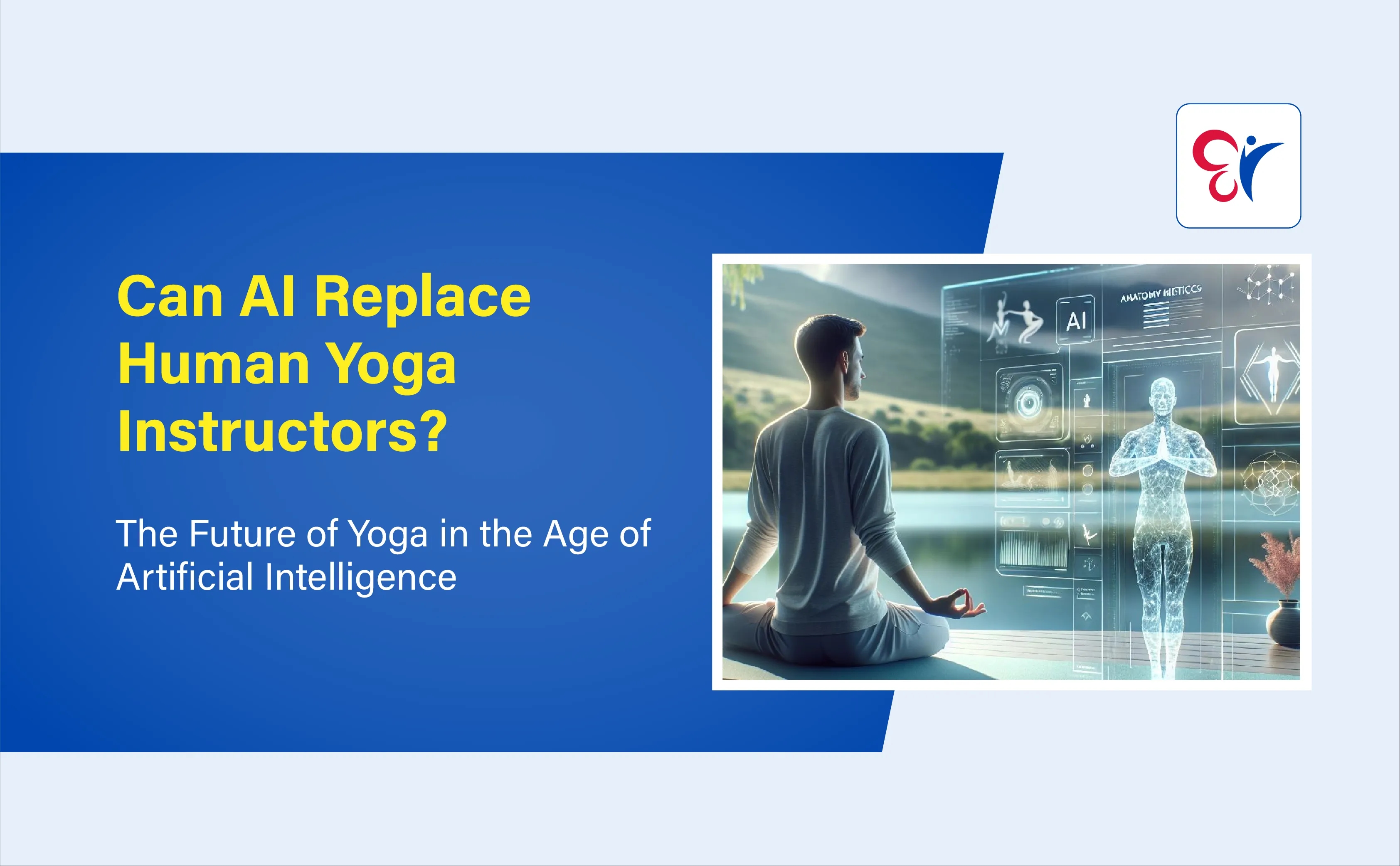
Artificial Intelligence (AI) is transforming the fitness and wellness industry, including yoga. AI-powered yoga apps offer guided sessions, posture correction, personalised routines and progress tracking. These tools make yoga practice more accessible and convenient. But can AI replace human yoga instructors? While artificial intelligence in yoga provides flexibility and digital support, human teachers offer personal guidance, emotional support and practical experience that technology cannot fully replace.
How Is Artificial Intelligence Changing Yoga Practice?
Artificial intelligence is changing how people learn and practise yoga. AI-powered apps use computer vision and motion tracking to analyse body movements and identify posture differences.
Some platforms provide real-time feedback through a smartphone camera, helping learners improve their alignment. They can also suggest yoga routines based on fitness levels, goals and previous activity.
Some common applications of AI in yoga include:
- Real-time posture tracking: AI tools analyse body movements and identify possible posture differences.
- Personalised yoga routines: Applications suggest yoga sessions based on individual fitness goals and experience.
- Progress monitoring: Smart platforms track practice frequency and improvements over time.
- Virtual yoga assistance: AI-powered tools provide instructions and reminders during yoga sessions.
- Flexible learning: Users can access guided yoga sessions according to their schedules.
These developments show how AI technology is making yoga practice more convenient and accessible.
Learn More About CC's Yoga TTC Course
Click Here
What Can an AI Yoga Instructor Do?
An AI yoga instructor uses digital technology to guide users through yoga sessions. While it cannot completely replicate a trained human teacher, it can perform several useful functions.
1. Analyse Yoga Postures
AI-powered yoga applications can use camera-based motion tracking to analyse body positions. They identify differences between the user's movements and suggested yoga postures.
For example, when practising basic yoga poses such as Tree Pose or Warrior Pose, an AI system may provide visual feedback about body alignment.
2. Create Personalised Yoga Plans
Different people have different fitness levels, flexibility and wellness goals. AI yoga platforms can use information provided by users to recommend suitable yoga routines.
A beginner may receive simple stretching exercises, while an experienced practitioner may explore more advanced sequences.
3. Provide Instant Feedback
Some AI yoga applications offer real-time feedback during practice. They may alert users when their body position does not match the recommended posture. This feature can help learners become more aware of their movements, although automated feedback may not identify every alignment or safety issue.
4. Track Yoga Practice and Progress
AI-powered fitness platforms can record practice sessions, monitor activity and display progress reports. Users can review their consistency and identify areas where they may need more practice.
5. Offer Flexible Yoga Sessions
With AI-powered yoga apps and online platforms, users can access guided sessions at different times. They do not always need to follow a fixed class schedule. This flexibility can be helpful for students, working professionals and people who prefer practising yoga at home.
Benefits of AI-Powered Yoga Training
AI-powered yoga training offers several benefits for people who want to practise yoga regularly. From personalised routines to flexible learning schedules, these tools make yoga more convenient and accessible.
1. Personalised Yoga Routines
AI yoga applications can recommend exercises based on individual fitness levels, experience and personal goals. This helps users choose suitable yoga routines according to their needs.
2. Flexible Yoga Practice
AI-powered yoga apps allow users to practise at home or during their free time. They can follow guided sessions without depending on fixed class schedules or instructor availability.
3. Affordable Yoga Learning
Some AI yoga applications offer free or affordable training options. These platforms allow beginners to explore yoga and follow guided sessions without immediately joining a traditional yoga class.
4. Easy Progress Tracking
AI tools can record yoga sessions, monitor practice frequency and display progress reports. This helps users track their activity, maintain consistency and identify areas for improvement.
5. Accessible Learning
Online yoga platforms make guided sessions available to people in different locations. They are particularly useful for those who have limited access to nearby yoga centres or instructors.
Limitations of AI Yoga Instructors
Despite its advantages, artificial intelligence has several limitations when it comes to teaching yoga. Yoga is not simply about copying physical movements. It also involves breathing techniques, concentration, body awareness and mental well-being.
Here are some important limitations of AI yoga instructors.
1. Limited Personal Understanding
Every individual has different physical abilities, comfort levels and learning needs. AI systems may provide personalised recommendations based on available information, but they cannot fully understand a person's physical experience or emotional condition.
A human yoga instructor can observe a learner, ask questions and adjust the session based on individual responses.
2. Cannot Fully Replace Human Interaction
Yoga classes often create a sense of connection between instructors and learners. Human teachers provide encouragement, motivation and emotional support.
An AI application may offer reminders and automated instructions, but it cannot completely reproduce the personal connection developed in a traditional yoga class.
3. Possible Errors in Posture Detection
AI posture tracking depends on camera quality, lighting, camera angles and the accuracy of its underlying technology. It may not always identify incorrect movements or subtle alignment problems.
Incorrect feedback can create confusion, particularly among beginners.
4. Limited Safety Guidance
Some yoga poses require careful instruction, especially when they involve balance, flexibility or complex movements. AI systems cannot reliably assess every physical limitation or respond to unexpected discomfort.
A qualified human instructor can modify exercises, demonstrate alternatives and stop a learner from attempting an unsuitable pose.
5. Lack of Deeper Yoga Knowledge
Yoga includes more than physical exercises. It also involves breathing practices, meditation, discipline and philosophical principles. Although AI can explain these subjects, the experience and practical understanding of an experienced yoga teacher remain valuable.
Why Do Human Yoga Instructors Still Matter?
Human yoga instructors continue to play an important role in yoga education. Their knowledge, experience and ability to understand individual learners make traditional yoga teaching valuable.
- Personalised Attention: Human instructors can observe students closely and provide corrections based on their movements, flexibility and comfort levels.
- Emotional Support: Learning yoga requires patience and consistency. Instructors encourage learners, help them overcome difficulties and create a positive learning environment.
- Better Safety Awareness: Experienced teachers can recognise signs of discomfort and suggest suitable modifications. They can also guide learners through poses according to their abilities.
- Understanding Yoga Beyond Physical Exercise: Human teachers can explain breathing techniques, meditation, mindfulness and traditional yoga principles through practical instruction.
- Building a Learning Community: Group yoga classes allow people to learn together, share experiences and stay motivated. This social connection is difficult for an AI platform to reproduce fully.
AI vs Human Yoga Instructors: Key Differences
AI yoga instructors and human teachers offer different learning experiences. The following comparison highlights their major differences.
Factors | AI Yoga Instructor | Human Yoga Instructor |
Availability | Available through digital platforms, depending on the service | Usually follows a class or appointment schedule |
Personal Attention | Based on user data and automated feedback | Adapts guidance through direct interaction |
Posture Correction | Uses camera-based movement analysis | Observes and corrects students directly |
Emotional Support | Limited to programmed responses | Offers personal encouragement and support |
Learning Flexibility | Allows flexible practice schedules | Depends on instructor availability |
Safety Guidance | Limited by technology and available information | Can assess learners and suggest modifications |
Yoga Philosophy | Provides digital explanations | Can offer practical teaching and personal insights |
Human Interaction | No direct human connection | Encourages communication and group learning |
Both approaches have their own advantages. AI offers convenience and digital assistance, while human instructors provide personal guidance and practical experience.
Can AI and Human Yoga Instructors Work Together?
Instead of viewing artificial intelligence as a replacement for human yoga teachers, it is more useful to consider how both can work together. AI can support yoga instructors by helping them monitor practice sessions, organise learning materials and provide additional resources to students. Human teachers can use these tools to make their classes more interactive and organised.
For example, an instructor may recommend an AI yoga application for students who want to practise basic poses at home. Students can use the application to track their routines and discuss their progress during their next class.
This combined approach can offer several advantages:
- AI applications can support independent yoga practice.
- Human instructors can provide direct posture corrections.
- Digital tools can help track students' practice habits.
- Teachers can use technology to share learning resources.
- Students can receive both digital assistance and personal guidance.
The combination of AI technology and human teaching may create a more flexible and accessible yoga learning experience.
The Future of Yoga in the Age of Artificial Intelligence
The future of yoga is likely to include more advanced digital tools and technology-supported learning methods. As AI technology develops, yoga applications may become better at recognising movements, suggesting suitable routines and tracking individual progress.
Wearable fitness devices, smart cameras and virtual training platforms may also contribute to the growth of AI-powered yoga.
However, the traditional values of yoga will continue to remain important. Mindfulness, self-awareness, discipline and the connection between the mind and body cannot be reduced to posture tracking or automated recommendations.
Human yoga instructors are likely to remain an important part of yoga education, while AI will serve as an additional learning tool.
The future may not be about choosing between AI and human yoga teachers. Instead, it may involve combining technological convenience with human knowledge and guidance.
Build Your Career in Yoga with CC Learning App Yoga TTC Certification
Yoga offers opportunities to turn a personal passion into a rewarding profession. If you want to share your knowledge of yoga and guide others towards a healthier lifestyle, explore the Yoga Teacher Training Course (TTC) through CC Learning App. The course helps learners develop yoga knowledge and teaching skills to pursue opportunities in the wellness industry.
Through the Yoga TTC course, you can:
- Develop knowledge of yoga practices and techniques.
- Learn the fundamentals of yoga instruction.
- Understand how to plan and conduct yoga sessions.
- Improve your confidence and communication skills as a trainer.
- Explore opportunities in yoga centres, schools and wellness studios.
- Gain practical learning experience through guided sessions.
- Continue developing your skills with learning support.
Whether you are interested in teaching yoga professionally or expanding your understanding of yoga, the CC Learning App Yoga TTC course offers an opportunity to take your interest further.
Download CC Learning App Today and become certified yoga trainer
Download Now
Frequently Asked Questions
1. Can artificial intelligence replace human yoga instructors?
AI can support yoga practice through posture tracking, personalised routines and progress monitoring. However, it cannot fully replace human instructors because personal guidance, emotional support and practical safety assessment require human understanding.
2. What is an AI yoga instructor?
An AI yoga instructor is a technology-based system that uses artificial intelligence to guide yoga sessions. It may analyse body movements, suggest yoga poses and provide feedback through digital applications.
3. How does AI help in yoga practice?
AI helps yoga learners through posture analysis, personalised exercise recommendations, progress tracking and virtual yoga sessions. These features make practising yoga more flexible and accessible.
4. What are the benefits of AI-powered yoga apps?
AI-powered yoga apps offer flexible practice schedules, personalised routines, automated feedback and progress monitoring. They can also help beginners explore yoga from home.
5. Is AI yoga training suitable for beginners?
AI yoga applications can help beginners learn basic yoga movements and follow guided sessions. However, beginners may benefit from learning under a qualified instructor to understand correct posture, breathing and safety.
6. What are the limitations of AI yoga instructors?
AI yoga instructors may struggle with complex posture corrections, individual physical limitations, emotional support and unexpected safety concerns. Their feedback also depends on the accuracy of the technology.
7. Will AI change the future of yoga?
Yes. AI is likely to influence yoga through smart applications, movement tracking, personalised routines and virtual classes. However, human instructors will continue to contribute practical knowledge and personal guidance.
8. Can AI and human yoga instructors work together?
Yes. AI can support independent practice and progress tracking, while human instructors provide personal attention, posture corrections and safety guidance. Combining both approaches can improve the overall learning experience.
Notifications
Trending Updates



Related Blogs

January 7, 2026
Yoga TTC 2026: Become a Certified Yoga Instructor with the Best Yoga Teacher Training Course
5 minute read
November 17, 2025
How to Become a Certified Yoga Instructor in 2026 | Eligibility, Salary & Best Yoga TTC Course
3 minute read
November 27, 2025
Best Yoga TTC in Kerala: Course Modules, Accreditation & Career Path
4 minute read
August 18, 2026