
Table of Contents
Yoga is one of the best natural ways to improve physical health, flexibility and mental well-being. Practicing yoga asanas (yoga poses) regularly can strengthen the body, calm the mind and improve overall lifestyle.
If you are starting yoga for the first time, learning a few basic yoga poses for beginners is the perfect way to begin. These simple yoga exercises can easily be practiced as morning yoga for beginners at home without needing advanced flexibility.
Scroll down to learn yoga poses, yoga steps, benefits and who should avoid these poses.
Enrol Now On CC's Yoga TTC online coaching Ccass 2026 - 2027
Tap Here
Common Yoga Poses
Regular practice of basic yoga poses can help beginners develop a strong foundation for long-term health and wellness.
Here are some of the most common yoga poses practicing worldwide and are ideal for beginners learning yoga.
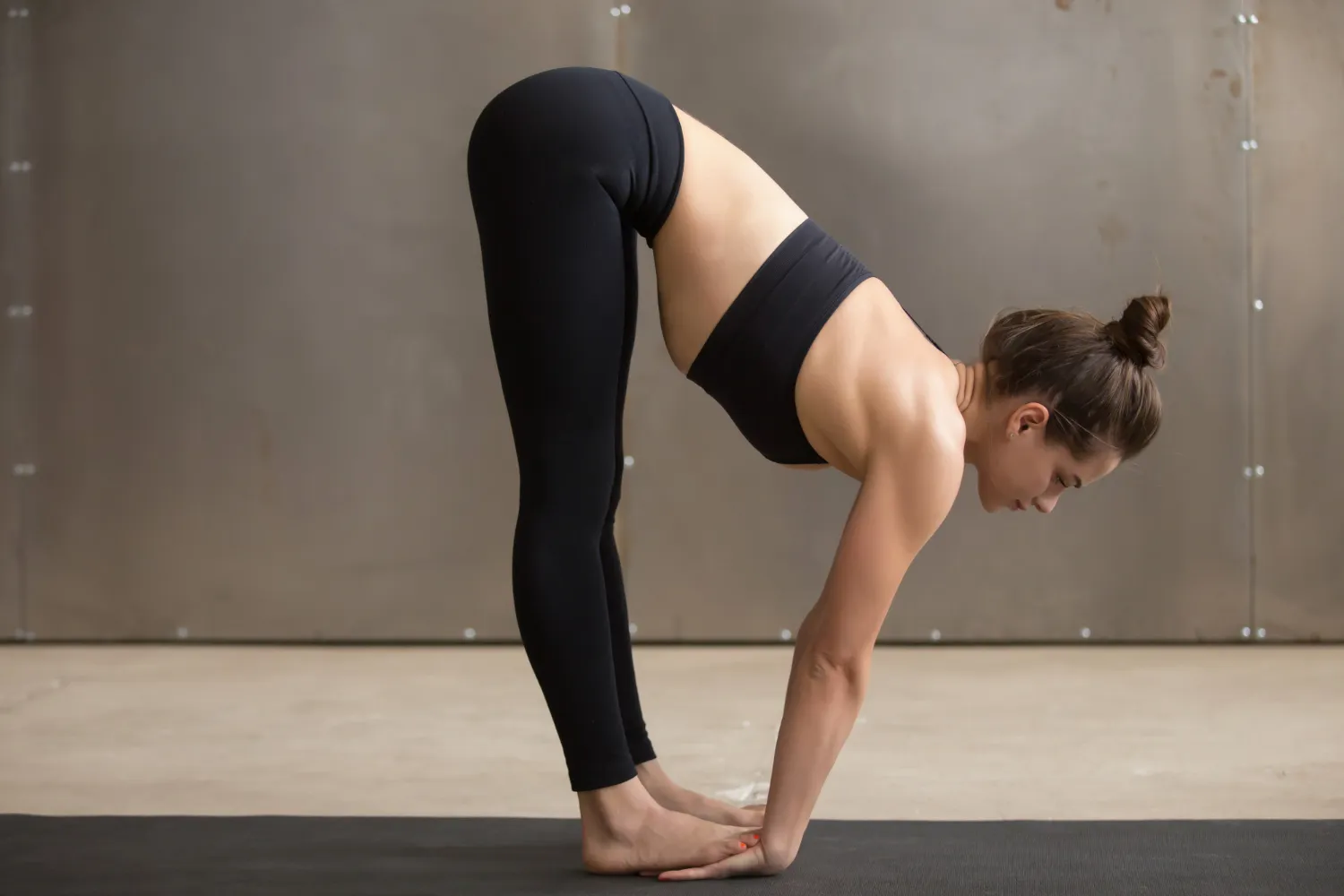
1. Padahastasana (Hand to Foot Pose)
How to Do
- Stand straight with feet together.
- Inhale and raise both arms overhead.
- Exhale and bend forward from the hips.
- Touch your feet or place palms under the feet.
- Hold the position for 15–20 seconds.
Benefits
- Stretches hamstrings and spine
- Improves digestion
- Helps reduce abdominal fat
- Increases blood circulation to the brain
Who Should Avoid
- People with severe back pain
- Hernia or abdominal inflammation
- Vertigo or heart problems
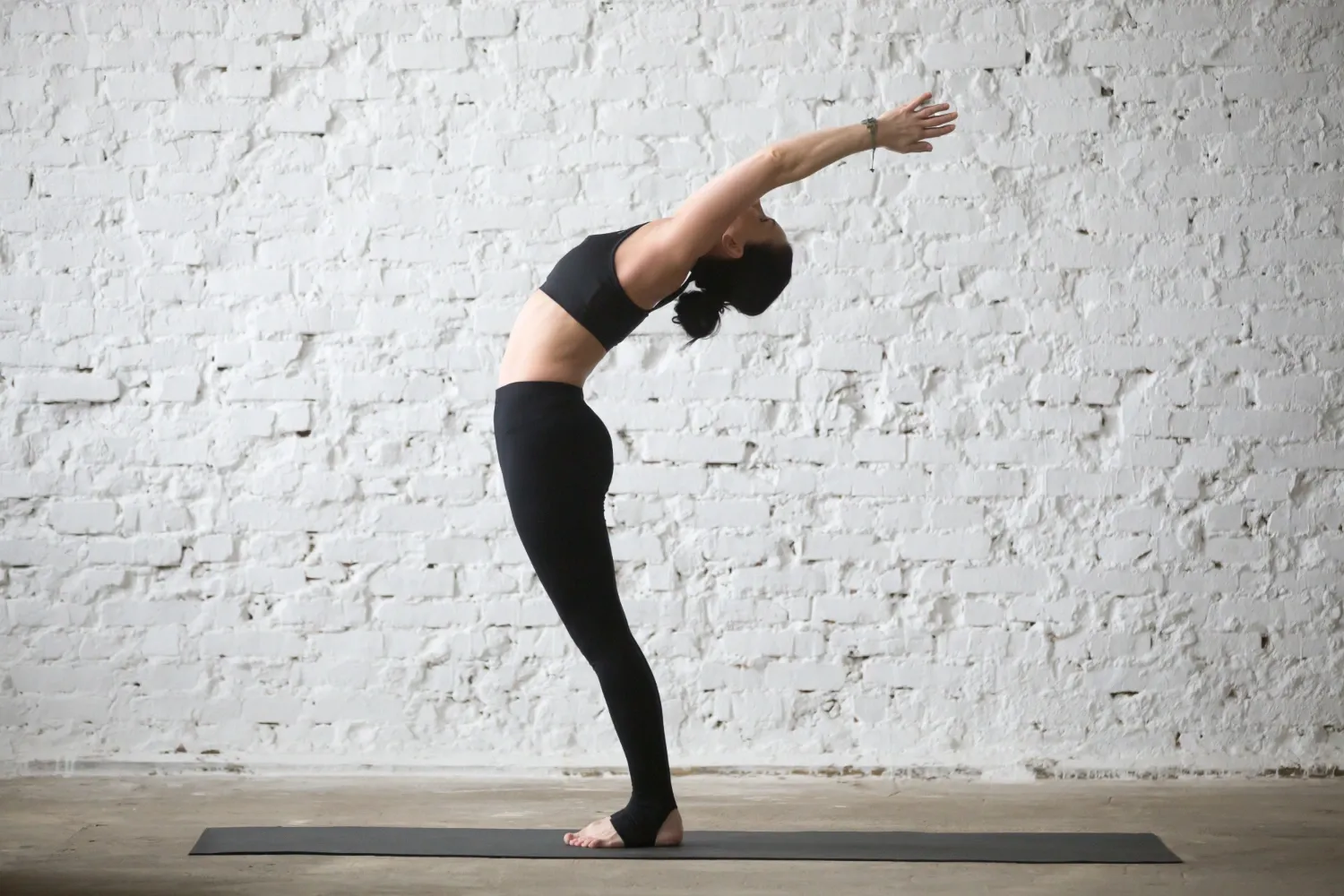
2. Ardha Chakrasana (Standing Backward Bend)
How to Do
- Stand straight with feet together.
- Place hands on the lower back.
- Slowly bend backward while inhaling.
- Hold for 10–15 seconds.
Benefits
- Strengthens back muscles
- Improves posture
- Expands chest and lungs
Who Should Avoid
- People with spinal injuries
- Severe back pain patients
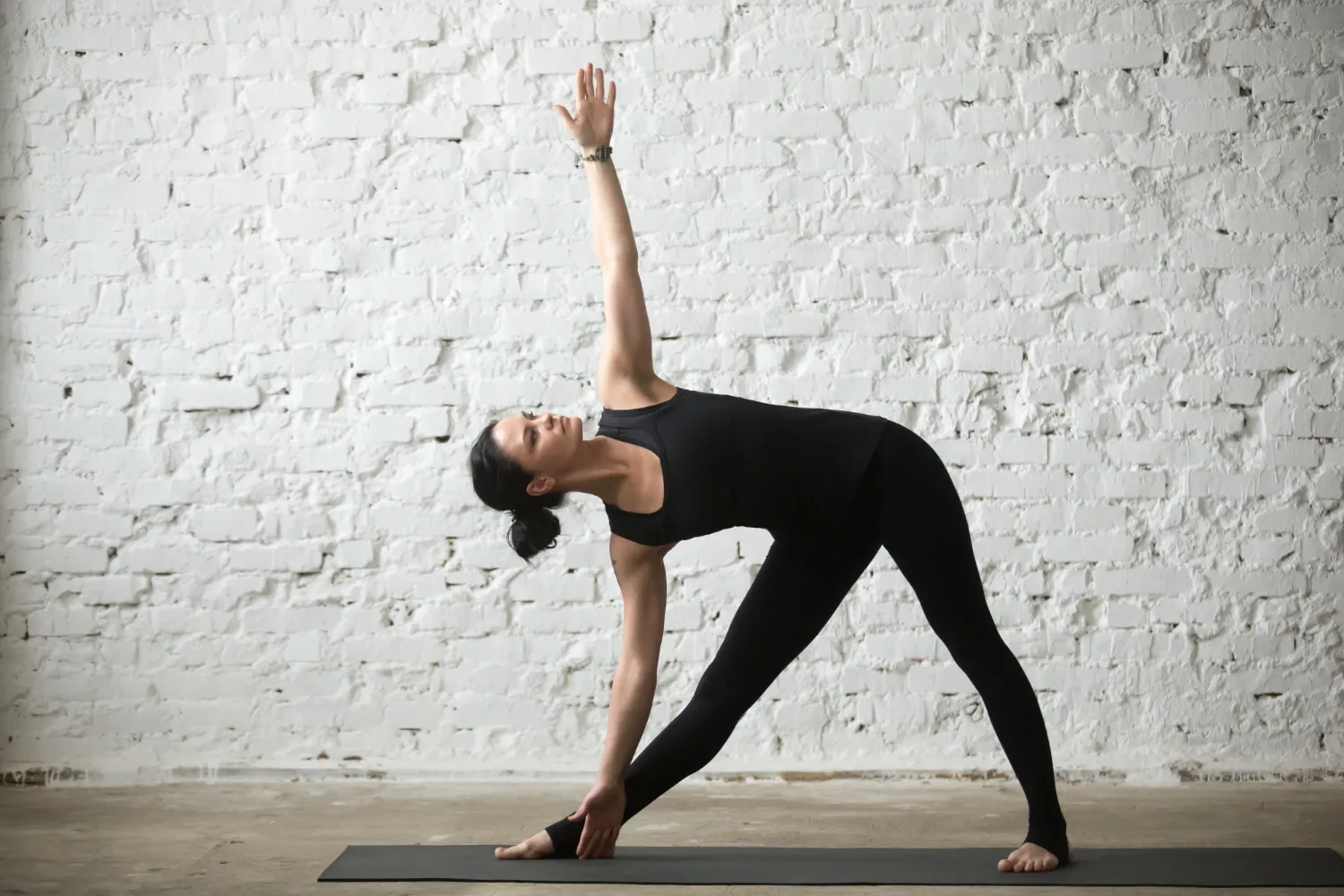
3. Trikonasana (Triangle Pose)
How to Do
- Stand with feet wide apart.
- Extend arms sideways.
- Bend sideways and touch one foot.
- Raise the opposite arm upward.
Benefits
- Strengthens legs and knees
- Improves digestion
- Reduces stress and anxiety
- Improves balance and flexibility
Who Should Avoid
- People with migraine
- High or low blood pressure
- Neck or back injuries
4. Virabhadrasana (Warrior Pose)
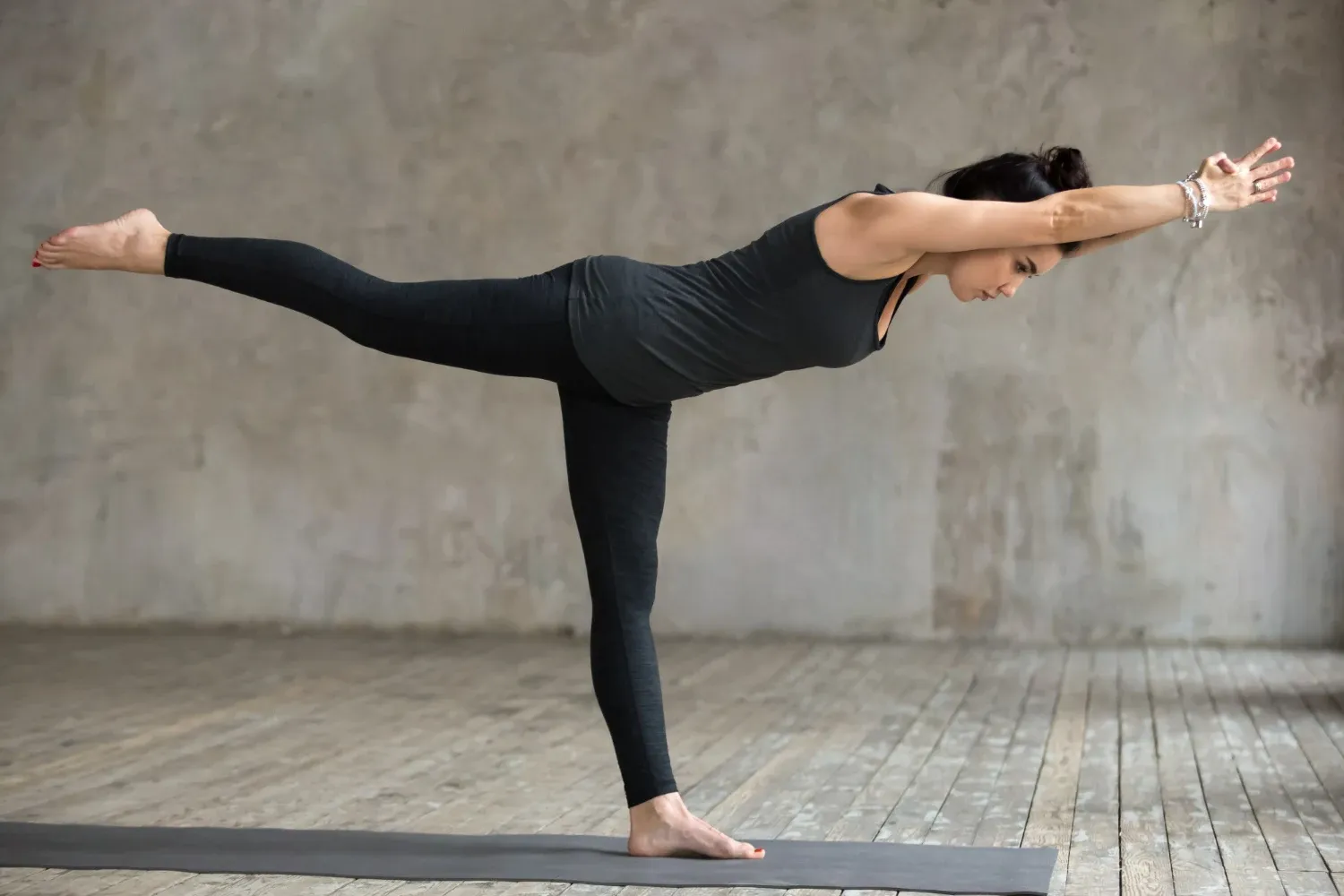
How to Do
- Step one foot forward into a lunge.
- Stretch arms upward.
- Bend the front knee.
- Hold for 15 seconds.
Benefits
- Builds stamina
- Strengthens legs and shoulders
- Improves concentration
Who Should Avoid
- Knee injuries
- Hip problems
5. Vrikshasana (Tree Pose)
Tree pose
How to Do
- Stand straight.
- Place one foot on the opposite thigh.
- Join palms above the head.
- Maintain balance.
Benefits
- Improves balance
- Strengthens legs
- Enhances concentration
Who Should Avoid
- People with severe balance issues
- Knee injuries
6. Utkatasana (Chair Pose)
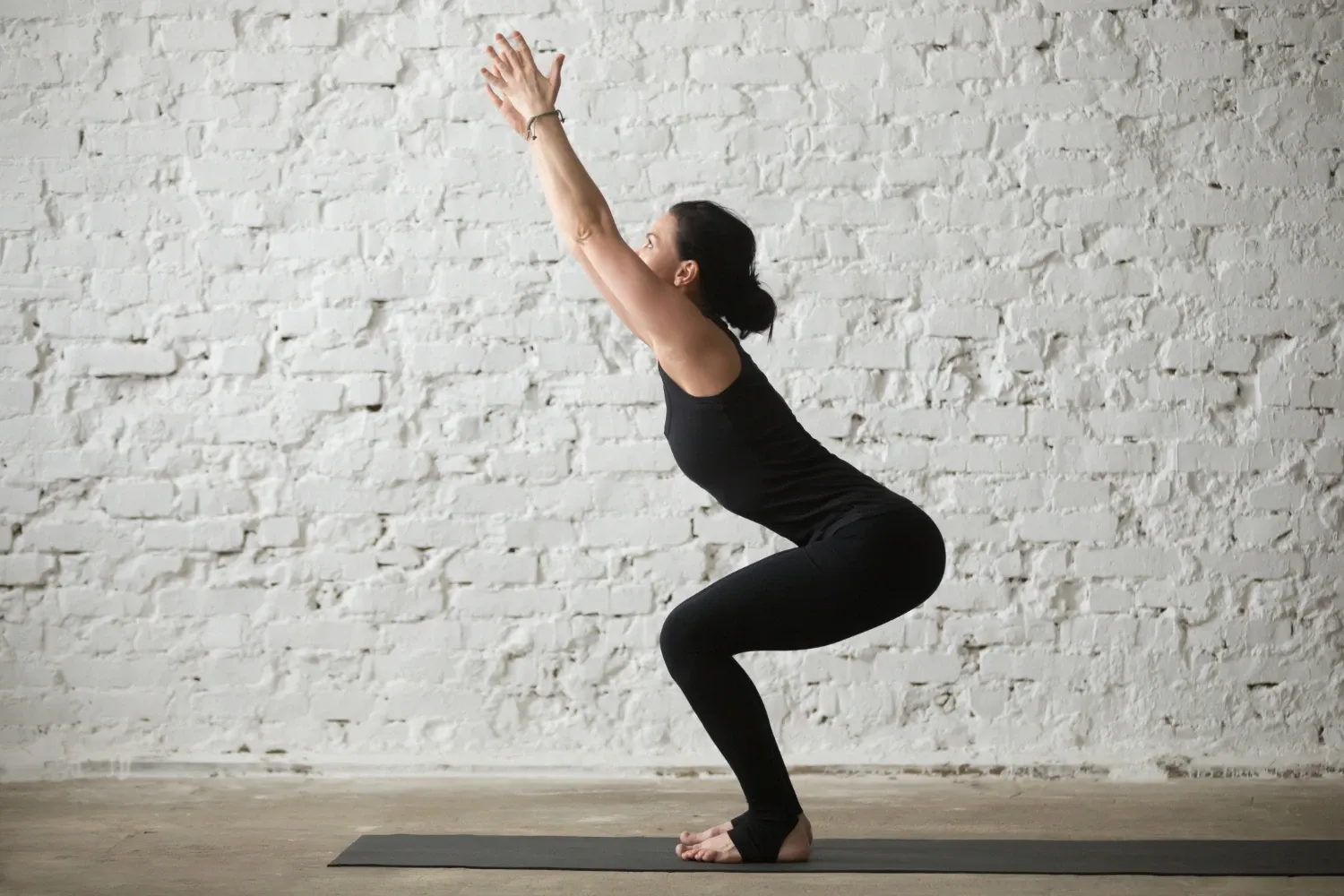
How to Do
- Stand straight with feet together.
- Raise arms overhead.
- Bend knees as if sitting on a chair.
- Hold for 10-20 seconds.
Benefits
- Strengthens thighs and core
- Improves endurance
- Burns calories
Who Should Avoid
- Knee pain patients
- Severe arthritis
7. Badhakonasana (Butterfly Pose)
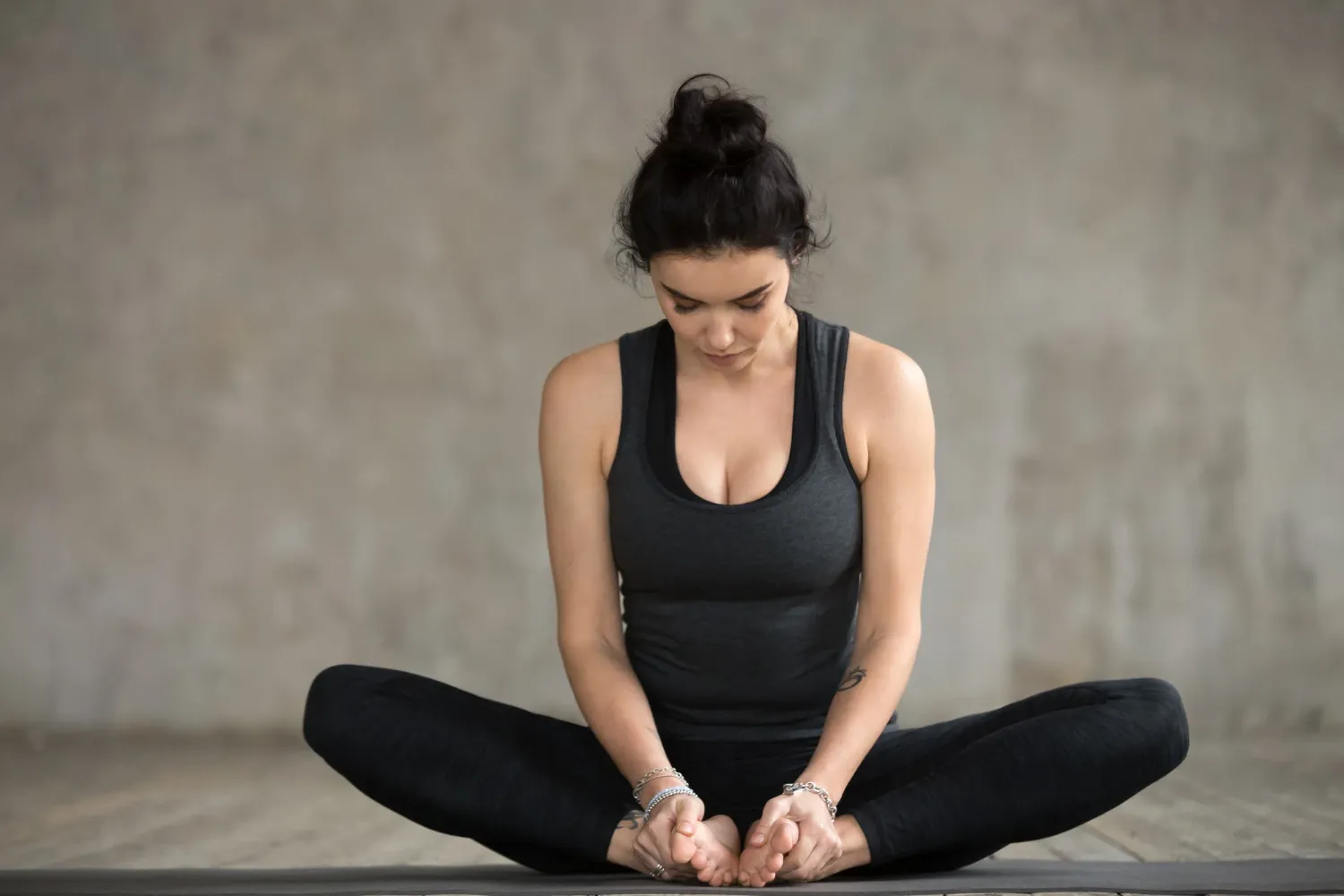
How to Do
- Sit on the floor.
- Join the soles of the feet.
- Hold feet with hands.
- Move knees up and down like butterfly wings.
Benefits
- Improves hip flexibility
- Helps digestion
- Reduces stress
Who Should Avoid
- Hip injuries
8. Padmasana (Lotus Pose)
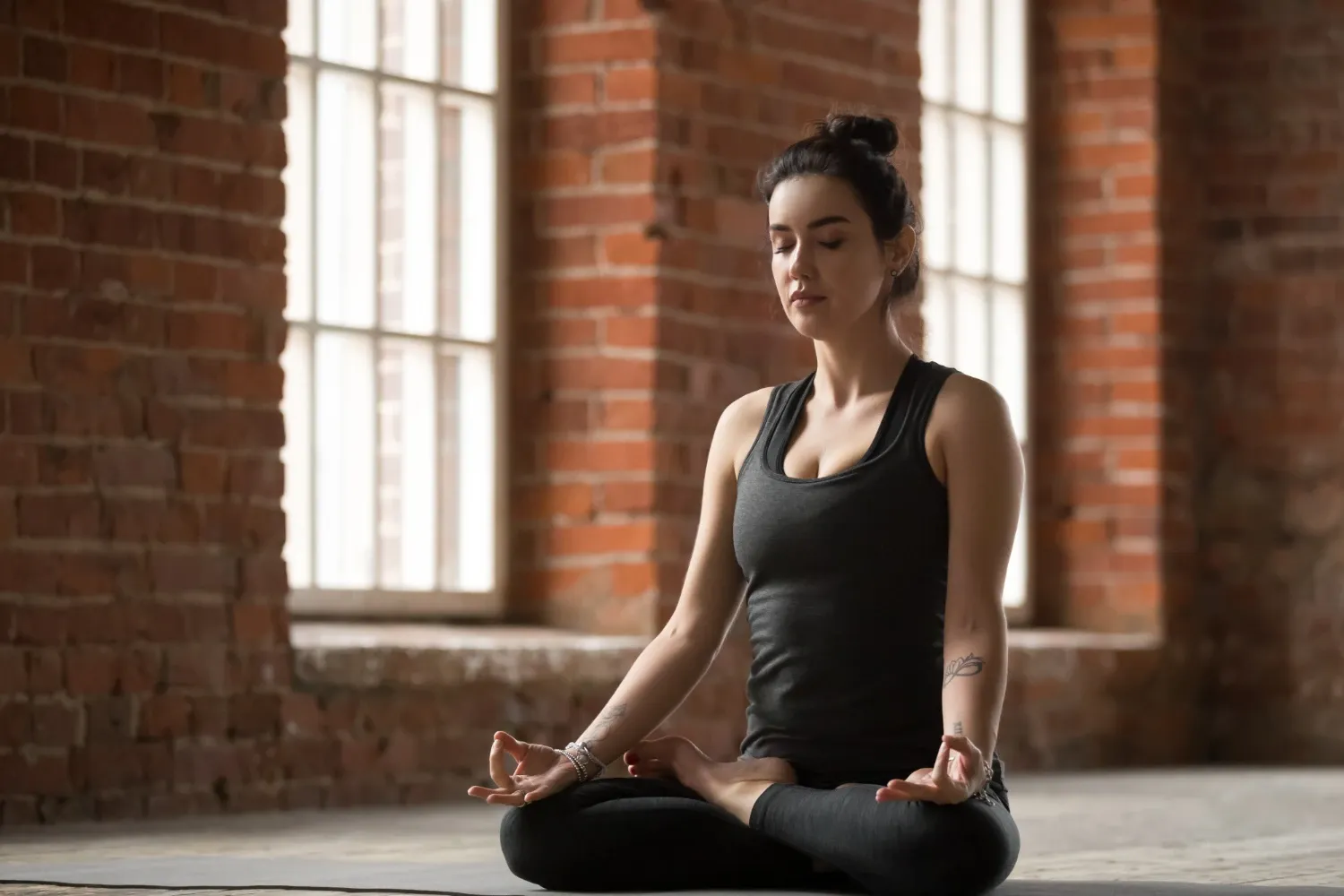
How to Do
- Sit with legs stretched.
- Place one foot on opposite thigh.
- Place the other foot on opposite thigh.
- Keep spine straight.
Benefits
- Improves concentration
- Promotes meditation
- Relaxes the mind
Who Should Avoid
- Knee injuries
- Hip stiffness
9. Vajrasana (Diamond Pose)
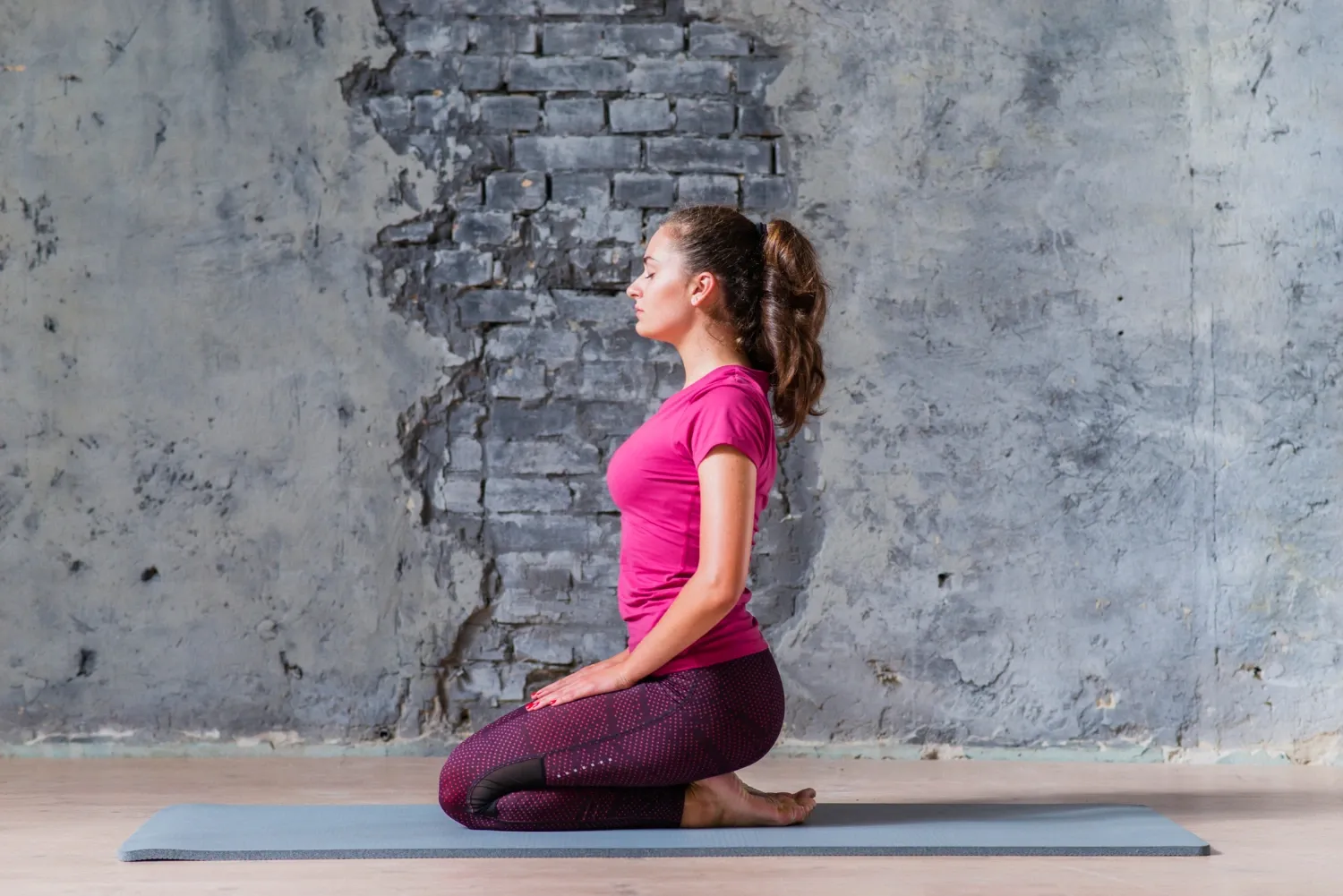
How to Do
- Kneel on the floor.
- Sit back on the heels.
- Place hands on thighs.
Benefits
- Improves digestion
- Strengthens back
- Good for meditation
Who Should Avoid
- Severe knee pain
10. Bhujangasana (Cobra Pose)
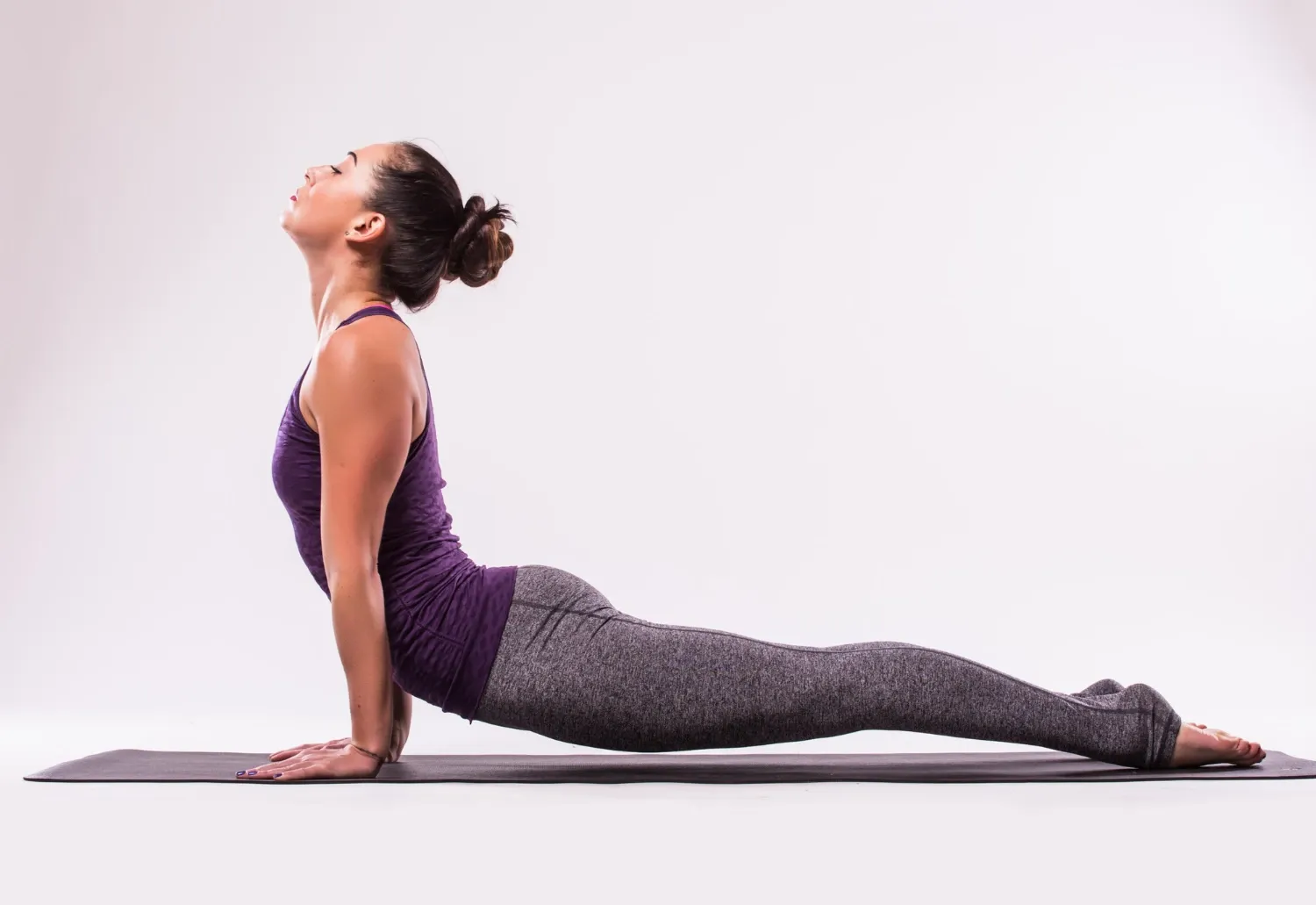
How to Do
- Lie on the stomach.
- Place palms under shoulders.
- Lift chest upward.
Benefits
- Strengthens spine
- Improves lung capacity
- Reduces back pain
Who Should Avoid
- Pregnant women
- Severe back injuries
11. Salabhasana (Locust Pose)
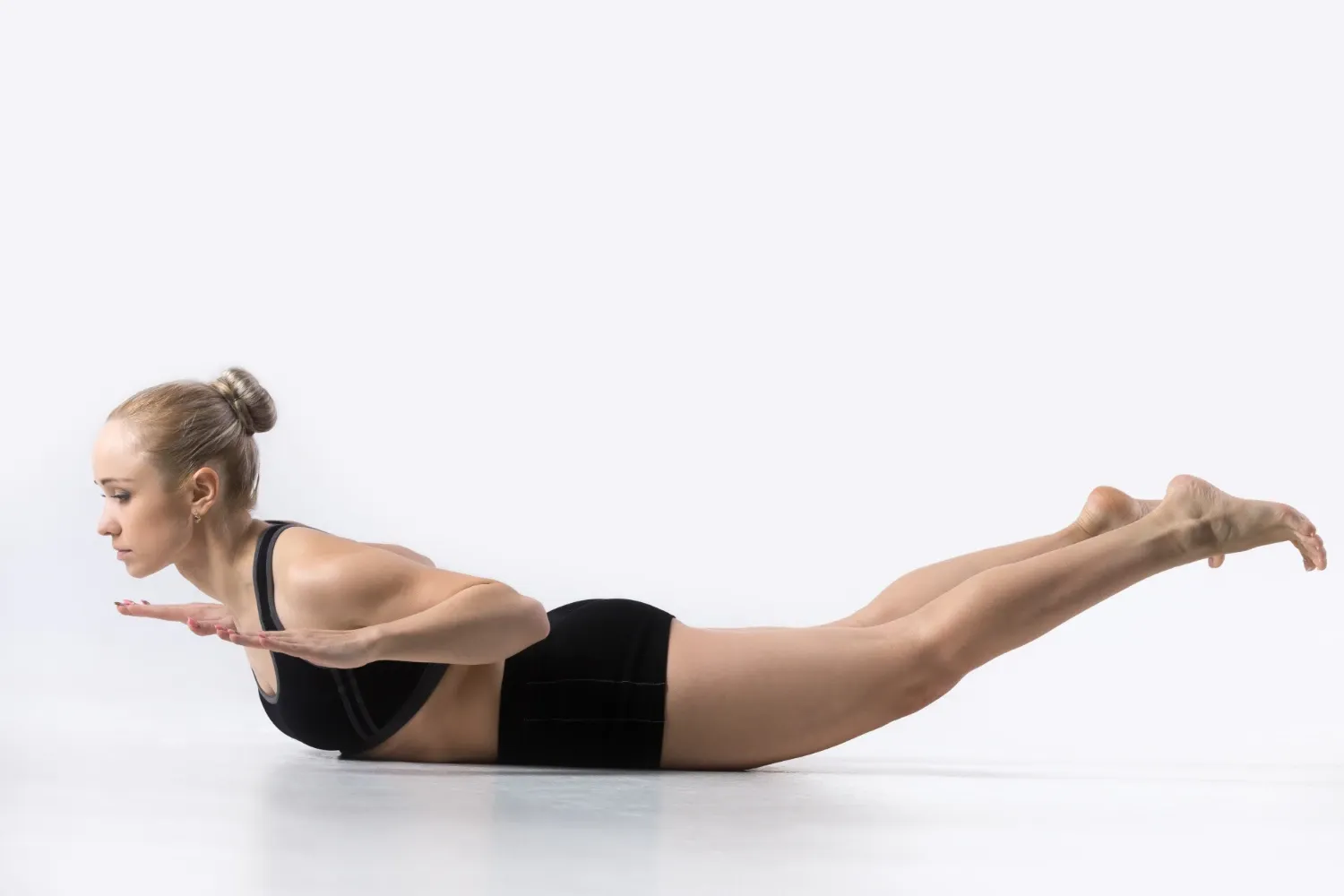
How to Do
- Lie on your stomach on the floor.
- Keep your arms beside your body.
- Keep your chin on the floor.
- Slowly lift both legs up without bending the knees.
- Hold the pose for 10-15 seconds.
- Slowly bring the legs back down and relax.
Benefits
- Strengthens the lower back
- Tones legs and hips
- Improves posture
- Helps improve digestion
Who Should Avoid
- People with back injury
- Pregnant women
- People with hernia or severe back pain
12. Parvatasana (Mountain Pose)
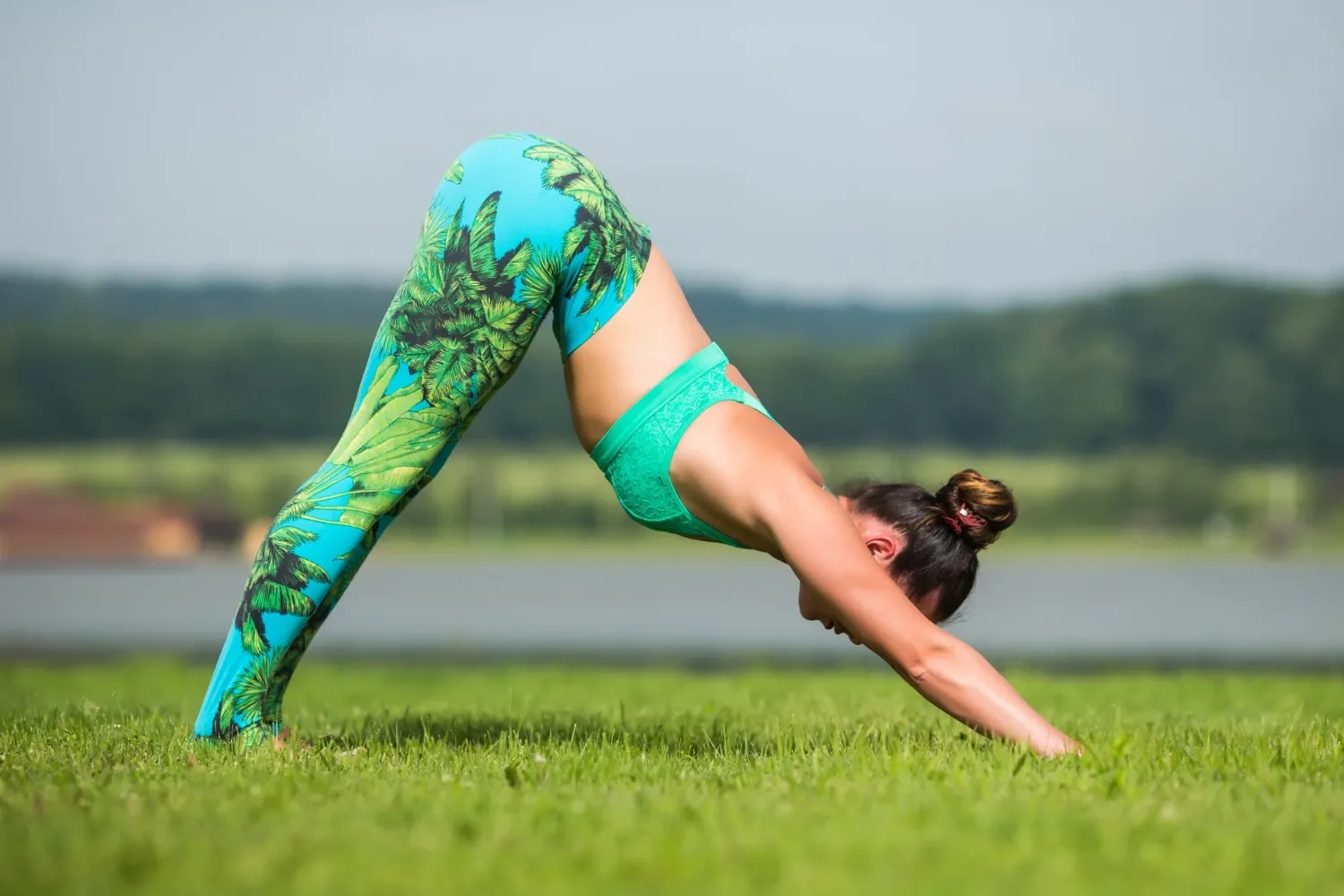
How to Do
- Start on the floor with hands and knees on the mat.
- Place your hands firmly on the floor and keep them shoulder-width apart.
- Slowly lift your hips upward.
- Straighten your legs and arms as much as possible.
- Your body should form an inverted “V” shape.
- Hold the pose for 10-20 seconds while breathing normally.
- Slowly come back to the starting position.
Benefits
- Strengthens arms, shoulders and legs
- Stretches the spine and back muscles
- Improves blood circulation
- Helps reduce body stiffness
Who Should Avoid
- People with wrist injuries
- People with shoulder pain
- People with severe back problems
13. Padma Parvatasana (Lotus Mountain Pose)
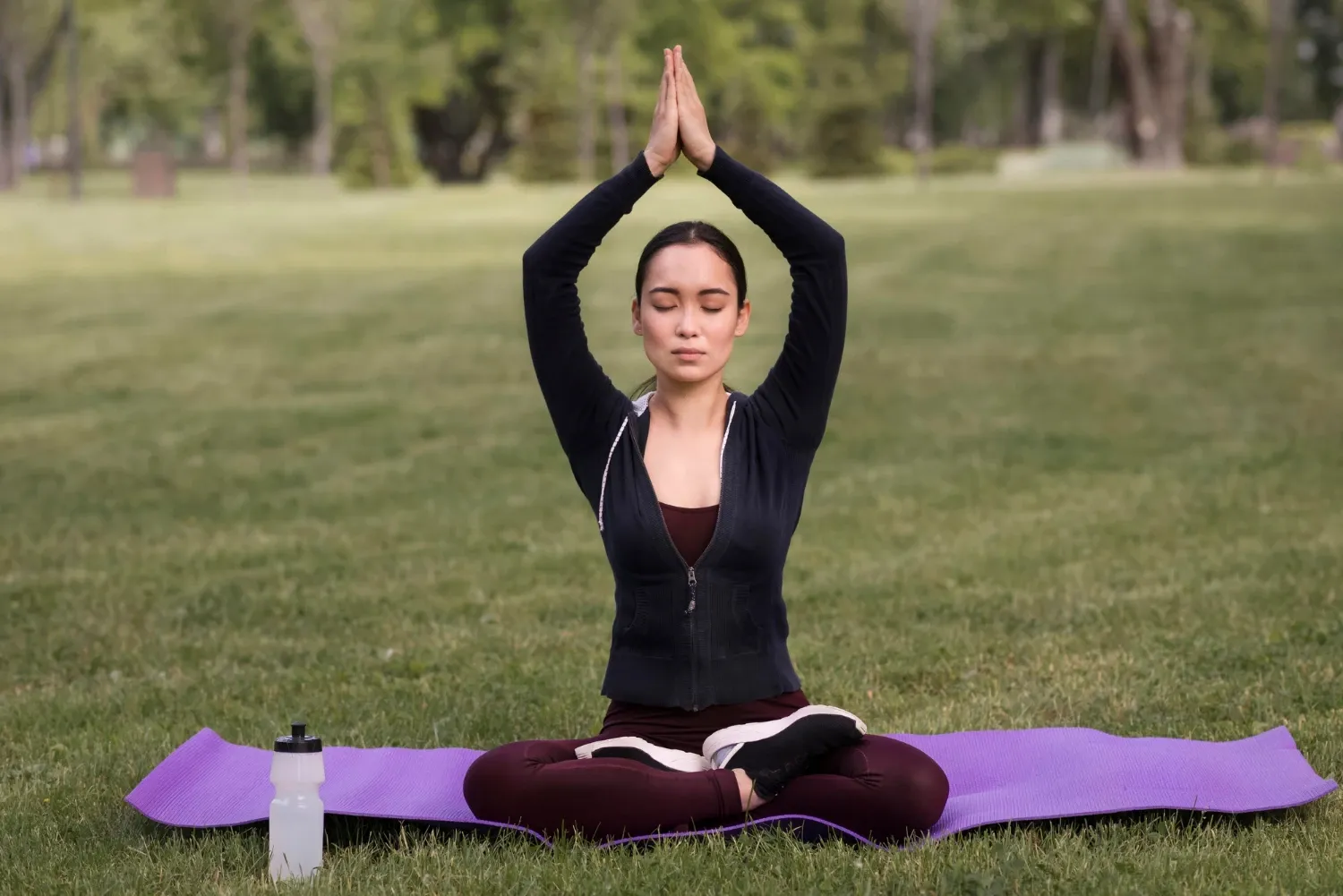
How to Do
- Sit in Padmasana (Lotus Pose).
- Keep your back straight.
- Join your palms together.
- Slowly raise your hands above the head.
- Stretch your arms upwards.
- Hold the pose for 10-15 seconds and breathe normally.
- Slowly bring your hands down and relax.
Benefits
- Improves posture
- Strengthens arms and shoulders
- Stretches the spine
- Helps improve concentration
Who Should Avoid
- People with knee pain
- People with shoulder injury
14. Shashankasana (Rabbit Pose)
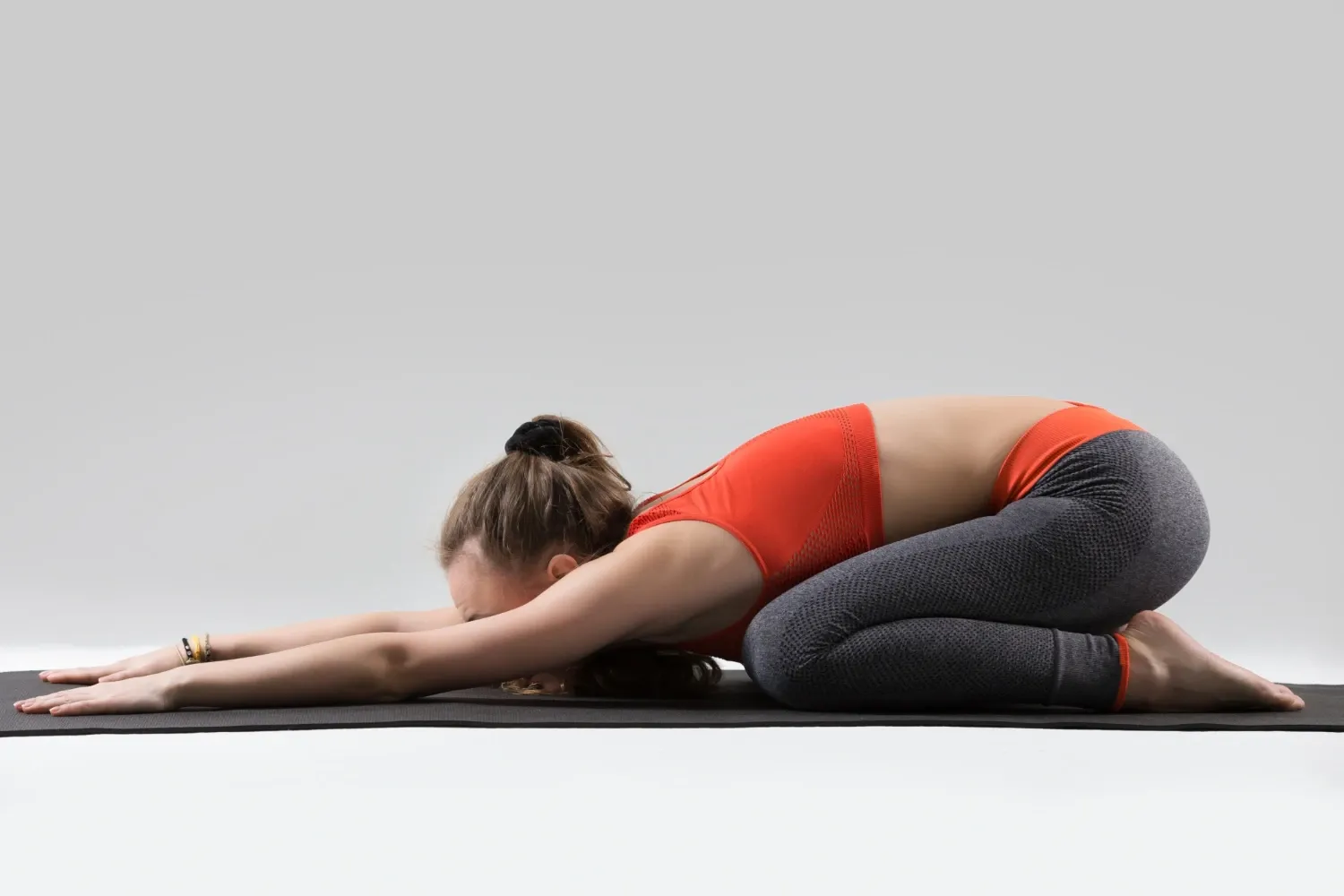
How to Do
- Sit in Vajrasana (kneeling position).
- Keep your hands on your thighs.
- Slowly bend forward while exhaling.
- Stretch your arms forward on the floor.
- Place your forehead on the floor.
- Hold the pose for 10-20 seconds and breathe normally.
- Slowly return to the starting position.
Benefits
- Relieves stress and tension
- Stretches the back and spine
- Improves digestion
- Helps relax the mind and body
Who Should Avoid
- People with severe knee pain
- People with back injury
- Pregnant women should avoid this pose
15. Dhanurasana (Bow Pose)
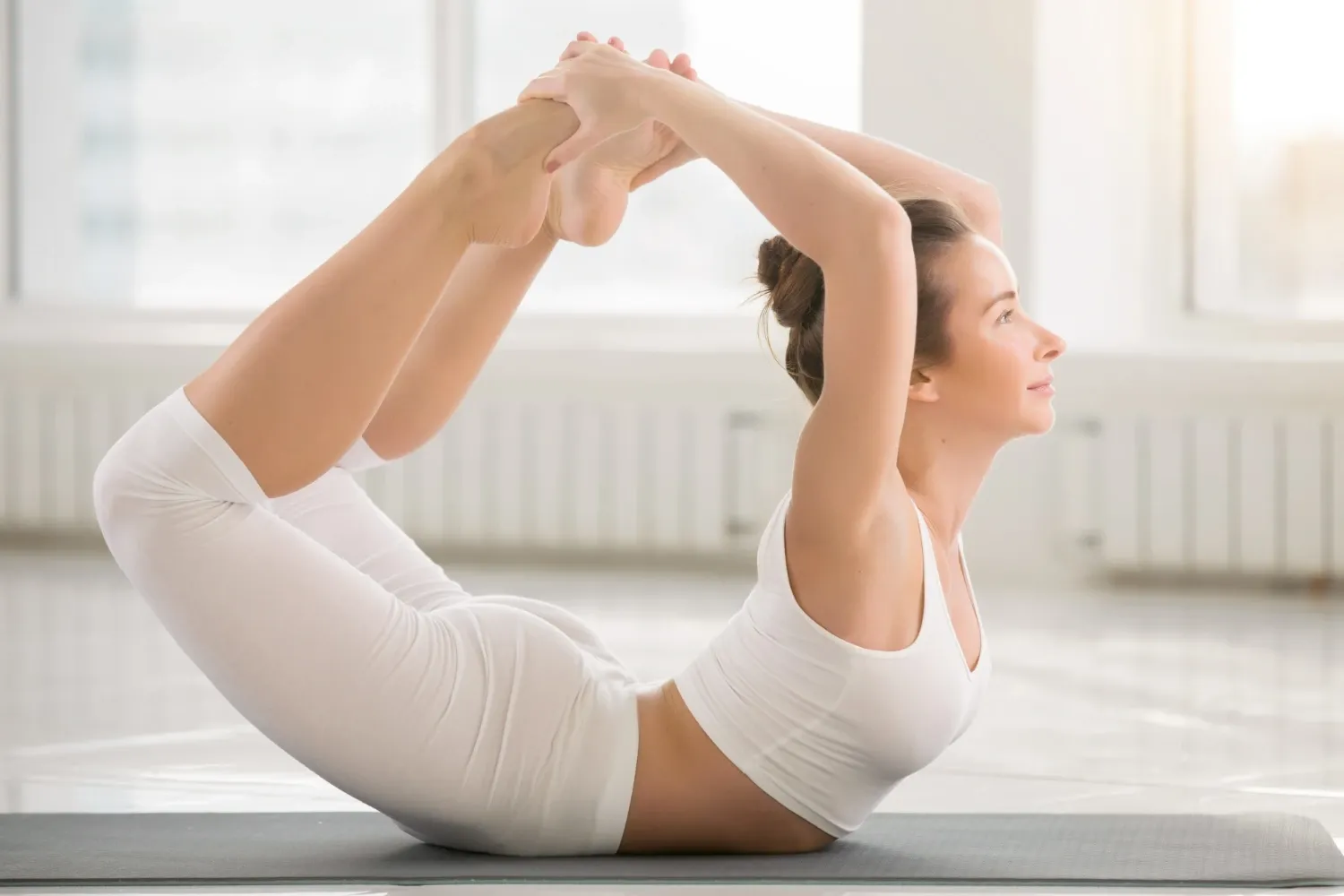
How to Do
- Lie on your stomach on the floor.
- Bend your knees and bring your feet toward your back.
- Hold your ankles with your hands.
- Inhale and lift your chest and legs up.
- Your body will look like a bow shape.
- Hold the pose for 10–15 seconds.
- Slowly release and relax.
Benefits
- Strengthens the back muscles
- Improves spine flexibility
- Helps improve digestion
- Helps in weight loss
Who Should Avoid
- People with back pain
- People with high blood pressure
- Pregnant women
16. Tadasana (Palm Tree Pose)
How to Do
- Stand straight with feet together.
- Keep your arms beside your body.
- Slowly raise your arms above your head.
- Stretch your whole body upward.
- Hold the pose for 10-15 seconds while breathing normally.
- Slowly relax and bring your arms down
Benefits
- Improves posture and balance
- Strengthens legs and spine
- Improves body alignment
- Increases concentration
Who Should Avoid
- People with low blood pressure
- People with balance problems
17. Marjariasana (Cat Pose)
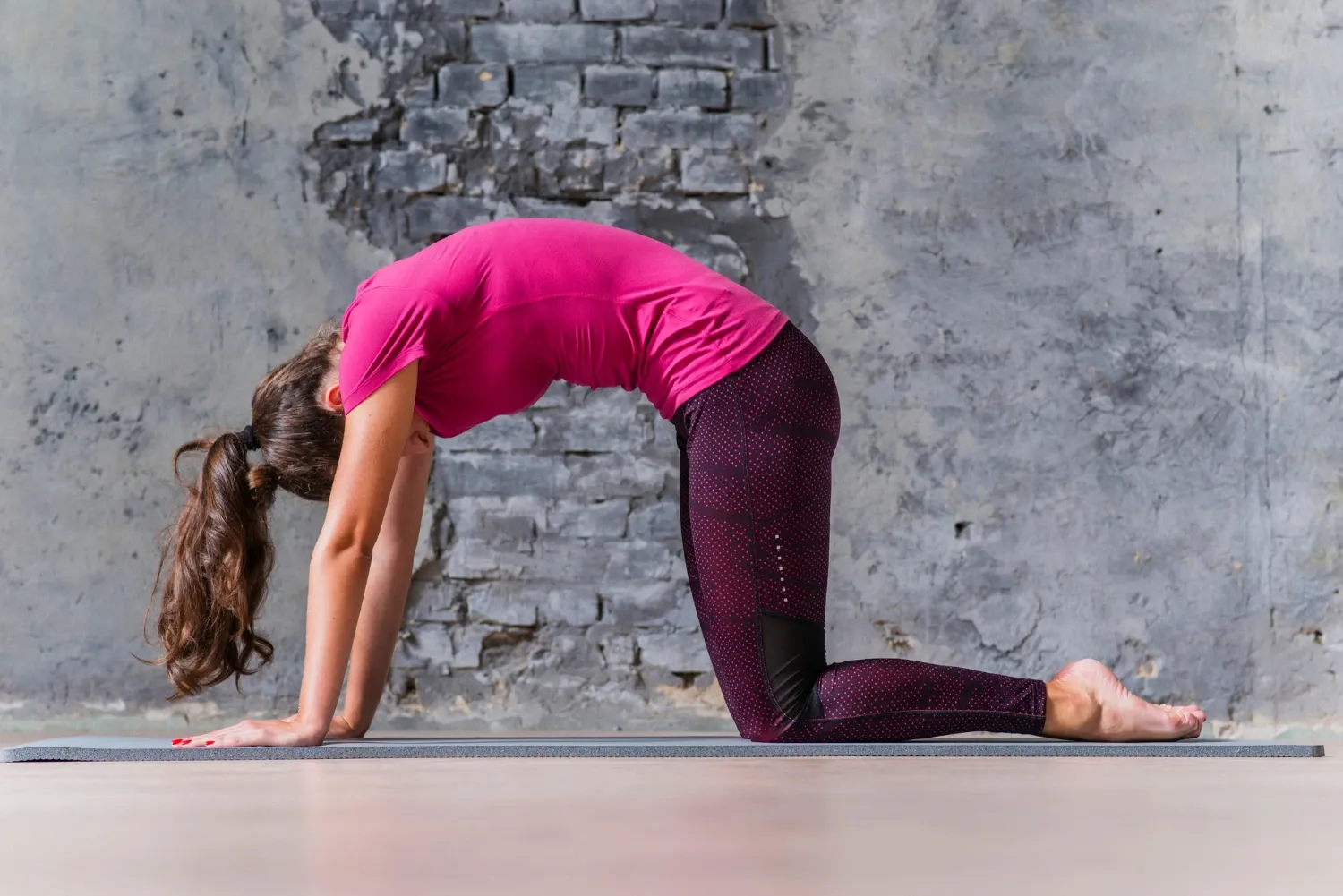
How to Do
- Come to the hands and knees position on the floor.
- Keep your hands under shoulders and knees under hips.
- Inhale and lift your head slightly.
- Exhale and round your back upward like a cat.
- Hold for 10-15 seconds while breathing normally.
- Slowly relax and repeat.
Benefits
- Improves spine flexibility
- Reduces back pain
- Stretches the neck and back
- Improves posture
Who Should Avoid
- People with severe back injury
- People with wrist pain
18. Kumbhakonasana (Plank Pose)
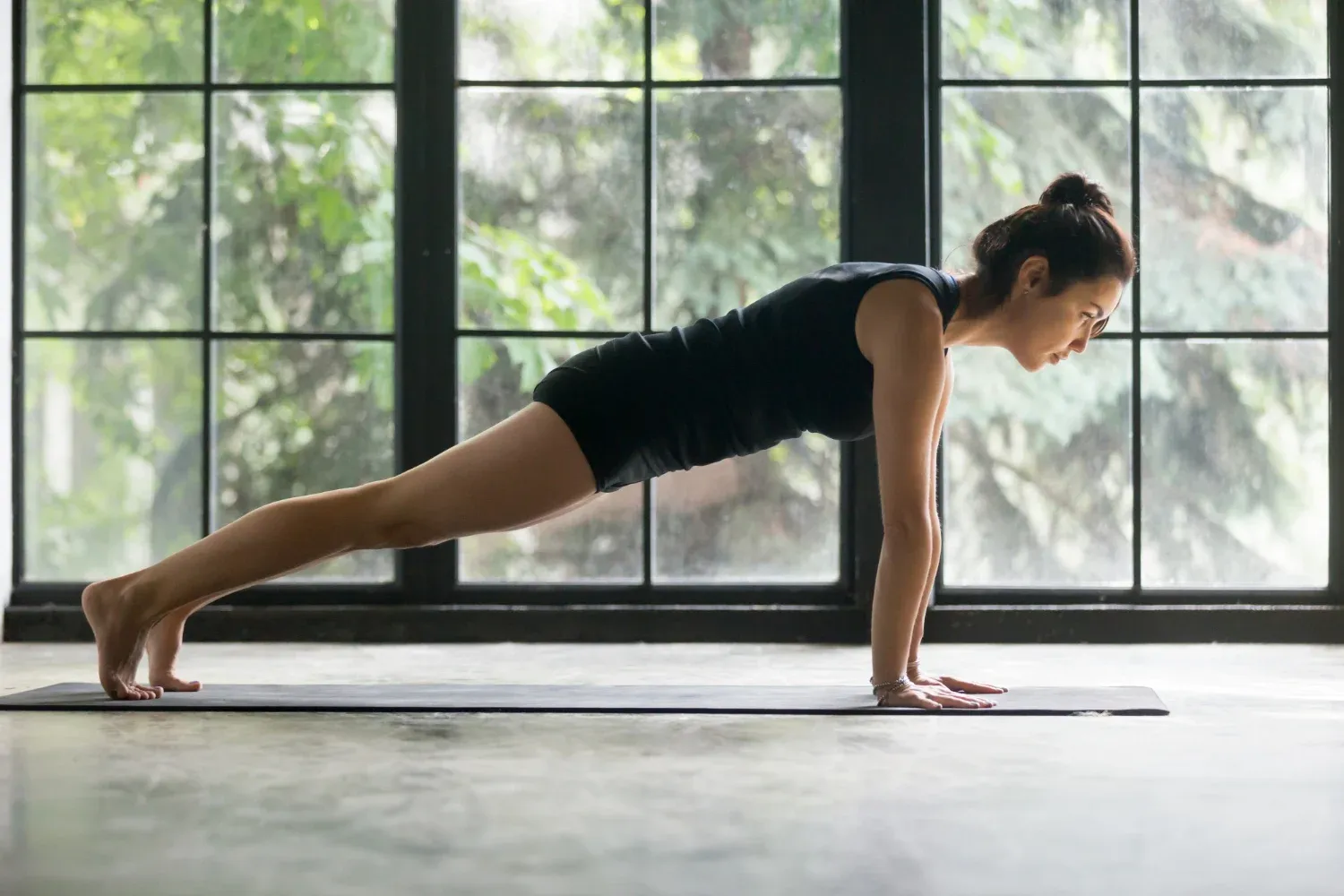
How to Do
- Start in a push-up position on the floor.
- Keep your hands under your shoulders.
- Keep your body straight from head to heels.
- Tighten your stomach muscles.
- Hold the pose for 10-20 seconds while breathing normally.
- Slowly relax and come down.
Benefits
- Strengthens the arms and shoulders
- Builds a strong core
- Improves balance and stability
- Helps strengthen the whole body
Who Should Avoid
- People with wrist pain
- People with shoulder injury
- People with severe back pain
19. Matsyasana (Fish Pose)
How to Do
- Lie on your back on the floor.
- Keep your legs straight and hands beside your body.
- Place your hands under your hips.
- Slowly lift your chest up and bend your head back.
- The top of your head should touch the floor.
- Hold the pose for 10-15 seconds and breathe normally.
- Slowly relax and return to the starting position.
Benefits
- Stretches the chest and neck
- Improves breathing
- Strengthens the upper back
- Helps reduce stress
Who Should Avoid
- People with neck injury, high or low blood pressure and severe back pain
20. Savasana (Corpse Pose)
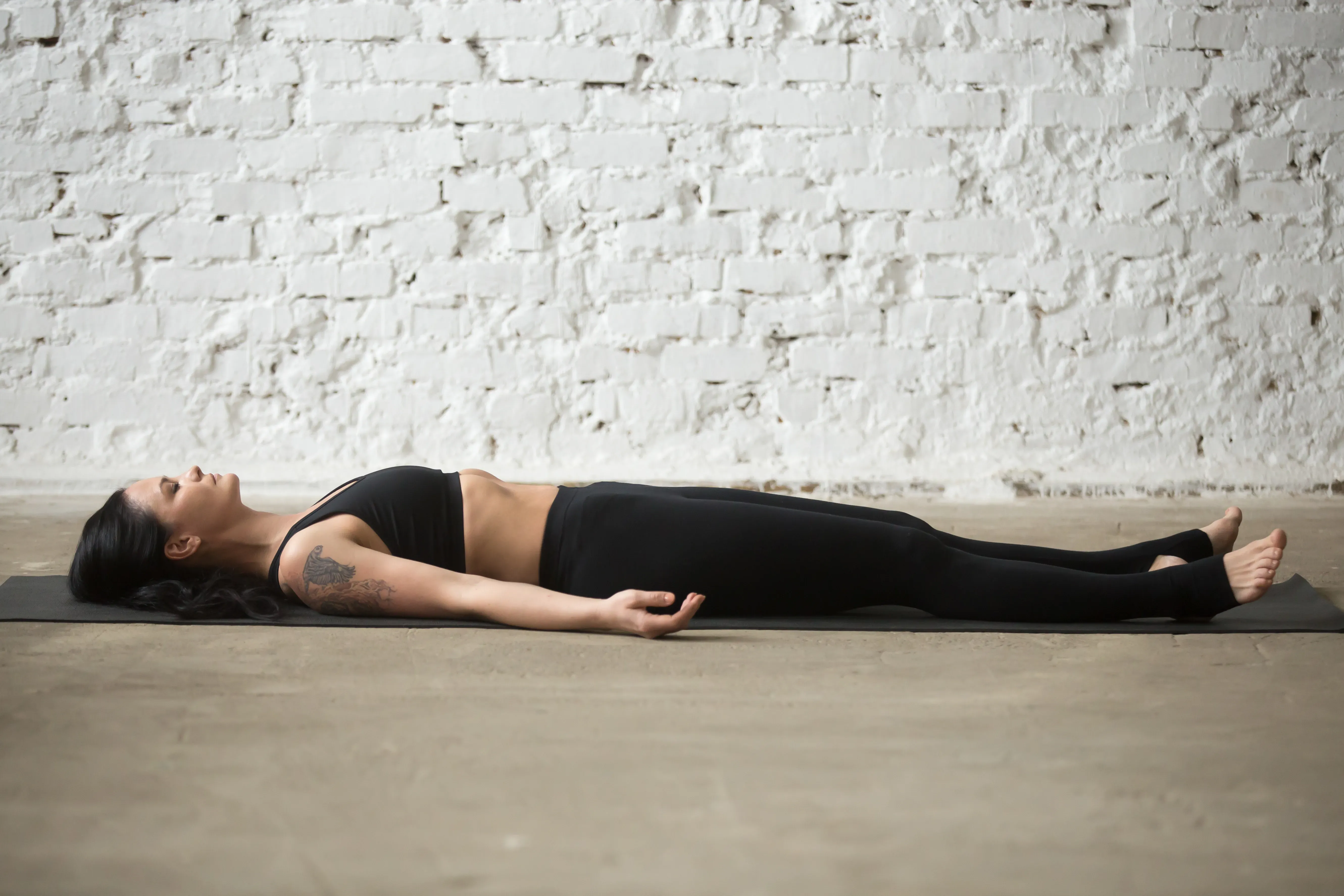
How to Do
- Lie flat on your back on the floor.
- Keep your legs slightly apart.
- Keep your arms beside your body with palms facing up.
- Close your eyes and relax your whole body.
- Breathe slowly and normally.
- Stay in this pose for 2–5 minutes.
Benefits
- Relaxes the body and mind
- Reduces stress and tiredness
- Improves concentration
- Helps the body recover after yoga practice
Who Should Avoid
- Generally safe for everyone.
- People with back discomfort can place a pillow under the knees.
Any Doubts regarding Yoga TTC Course
Ask Us NowTips for Beginners to Practice Yoga at Home
If you are learning yoga at home, keep these tips in mind:
- Practice on an empty stomach
- Start with simple yoga poses
- Do yoga regularly for best results
- Focus on slow and deep breathing
- Learn from online yoga classes for beginners or certified instructors
- Practice yoga in a quiet and clean place
- Wear comfortable clothes
- Use a yoga mat to avoid slipping
- Do a short warm-up before starting yoga
- Do not force your body into difficult poses
- Move slowly and carefully while doing yoga
- Drink water after completing yoga practice
- End your practice with Savasana for relaxation
Best Time to Practice Yoga for Beginners
The best time to practice yoga for beginners is when your body and mind are calm and relaxed. Choosing the right time helps you get the maximum benefits from yoga asanas.
Morning Yoga (Best Time)
Morning is considered the best time to practice yoga.
Why morning yoga is good:
- Fresh mind and body
- Improves energy for the whole day
- Helps improve focus and concentration
- Good for morning yoga for beginners
Many people practice yoga during sunrise, as the body feels light and the mind is peaceful.
Evening Yoga
Yoga can also be practiced in the evening.
Benefits of evening yoga:
- Helps reduce stress after a busy day
- Relaxes the body and mind
- Improves sleep quality
Common Mistakes Beginners Make in Yoga
When starting yoga for beginners, avoid these common mistakes:
- Skipping warm-up before yoga practice
- Holding the breath while doing yoga poses
- Trying difficult poses too early
- Practicing immediately after eating
- Forcing the body into uncomfortable positions
- Doing yoga with wrong posture
- Not practicing regularly
- Skipping Savasana (relaxation) after yoga
Avoiding these mistakes will help beginners practice yoga asanas safely and effectively.
Refer to the following blogs to lear about more Yoga online coaching in detail.
- Important Yoga Mudras & Their Benefits: Complete Guide for Mind, Body & Energy
- Best Yoga TTC in Kerala: Course Modules, Accreditation & Career Path
- How to Become a Certified Yoga Instructor in 2026 | Eligibility, Salary & Best Yoga TTC Course
- CC Ignite – Empowering Educators and Professionals with Future-Ready Skill Certification Courses in Kerala
Start Your Professional Yoga Journey with CC Learning App
Practicing these 20 basic yoga poses regularly can transform you overall. Whether your goal is fitness, weight loss, stress relief or flexibility, yoga offers a holistic solution.It is a lifestyle for a balanced and healthy life.
Ready to take your yoga journey further? Join the CC Learning App’s Yoga TTC online coaching to learn yoga from expert mentors, access structured training modules and develop professional teaching skills. Start learning yoga at home and turn your passion into a rewarding career.
Join Now on the Best Yoga TTC Online Coaching Class
Tap Here
Frequently Asked Questions
1. What are yoga asanas?
Yoga asanas are physical yoga poses or postures practiced to improve flexibility, strength, balance and mental well-being. Regular practice of yoga asanas helps improve overall health and supports a healthy lifestyle.
2. Which yoga poses are best for beginners?
Some of the best yoga poses for beginners include Vrikshasana (Tree Pose), Trikonasana (Triangle Pose), Vajrasana (Diamond Pose), Bhujangasana (Cobra Pose) and Balasana (Child Pose). These are simple and effective basic yoga poses for beginners.
3. Can beginners practice yoga at home?
Yes, beginners can easily learn yoga at home by starting with simple yoga poses and practicing regularly. Following proper instructions or online yoga classes for beginners can help ensure correct posture and safety.
4. How long should beginners practice yoga daily?
Beginners can start with 15-30 minutes of yoga practice daily. Consistent practice of basic yoga exercises for beginners can gradually improve flexibility, strength and concentration.
5. What is the best time to practice yoga for beginners?
The best time to practice yoga is early in the morning on an empty stomach. Morning yoga helps improve energy levels, focus and overall well-being throughout the day.
6. Is yoga good for weight loss?
Yes, practicing yoga poses regularly can help with weight loss by improving metabolism, burning calories and strengthening muscles. Poses like Dhanurasana, Utkatasana and Kumbhakonasana are commonly included in yoga poses for weight loss.
7. How many yoga poses should beginners practice daily?
Beginners can start with 5-10 basic yoga poses and gradually increase the number as their flexibility and strength improve.
8. Do I need equipment to start yoga at home?
You only need a yoga mat and comfortable clothing to start yoga workouts for beginners at home. Practicing in a quiet and clean space is also helpful.
9. Are yoga exercises safe for beginners?
Yes, yoga exercises for beginners are generally safe when practiced slowly and with proper guidance. Beginners should avoid forcing the body and stop if they feel pain.
10. Can yoga improve mental health?
Yes, practicing yoga asanas and breathing techniques can reduce stress, improve focus and promote mental relaxation. Yoga helps maintain a healthy balance between the mind and body.
Notifications
Trending Updates


Related Blogs
January 24, 2026
Important Yoga Mudras & Their Benefits: Complete Guide for Mind, Body & Energy
5 minute read
November 27, 2025
Best Yoga TTC in Kerala: Course Modules, Accreditation & Career Path
4 minute read
November 17, 2025